Iron Supplements takes center stage as a crucial ally in maintaining your health and vitality. Iron is an essential mineral that plays a pivotal role in transporting oxygen throughout the body, ensuring that every cell receives the energy it needs to function optimally. An iron deficiency can lead to fatigue, weakened immunity, and a host of other health issues, making it imperative to understand the significance of this mineral.
With various forms of iron supplements available, from ferrous sulfate to ferric citrate, navigating the options can be overwhelming. This guide unravels the importance of iron, its forms, recommended dosages, and the role of diet and potential interactions to help you make informed choices.
The Importance of Iron in the Human Body
Iron is a vital mineral that plays a crucial role in numerous bodily functions. It is best known for its essential part in the production of hemoglobin, a protein in red blood cells responsible for transporting oxygen from the lungs to various tissues throughout the body. This oxygen transport is fundamental for maintaining energy levels and overall vitality. When we breathe in, oxygen binds to hemoglobin, allowing our cells to perform necessary functions, including metabolism and maintaining bodily temperature.However, iron does more than just aid in oxygen transport.
It is also involved in various enzymatic reactions that are essential for synthesizing DNA and producing collagen, which is vital for skin health and wound healing. Iron contributes to the immune system by helping white blood cells function optimally, ensuring the body can fight off infections and diseases.The consequences of iron deficiency can be significant and debilitating. A lack of iron can lead to iron deficiency anemia, where the body does not have enough red blood cells to carry adequate oxygen to tissues.
Symptoms may include fatigue, weakness, pale skin, and shortness of breath. In more severe cases, individuals may experience heart palpitations or cognitive impairments. Beyond physical health, iron deficiency can affect mental well-being, leading to mood swings and decreased productivity. It’s essential to recognize the importance of maintaining adequate iron levels for overall health and vitality.
Different Types of Iron Supplements Available on the Market
When it comes to iron supplementation, various forms are available, each with unique benefits and drawbacks. Understanding these options is crucial for selecting the right supplement for your needs.
- Ferrous Sulfate: This is one of the most commonly prescribed forms of iron supplement. It has a high absorption rate but can cause gastrointestinal issues, such as constipation and nausea, in some individuals.
- Ferrous Gluconate: Known for being gentler on the stomach, ferrous gluconate is an alternative for those who experience discomfort with ferrous sulfate. While its absorption rate is lower, it may be a better choice for long-term supplementation.
- Ferric Citrate: This form of iron is often recommended for individuals with chronic kidney disease. It is less likely to cause gastrointestinal side effects, but its absorption can be affected by certain dietary components.
It’s essential to consult with a healthcare professional to determine the most suitable type of iron supplement based on individual health needs and any potential side effects.
Recommended Dosages of Iron Supplements for Different Demographics
The recommended daily allowance (RDA) of iron varies based on age, gender, and specific life stages, such as pregnancy.
- Infants (7-12 months): 11 mg
- Children (1-3 years): 7 mg
- Children (4-8 years): 10 mg
- Adolescents (9-13 years): 8 mg for boys, 15 mg for girls
- Adult Men: 8 mg
- Adult Women: 18 mg (27 mg during pregnancy)
Factors influencing these recommendations include dietary habits, with vegetarians and vegans requiring more iron due to the lower bioavailability of plant-based iron sources. Certain health conditions, like gastrointestinal disorders, can also affect iron absorption, necessitating higher supplement doses.
Identifying Signs of Iron Deficiency and When to Seek Supplementation
Recognizing the symptoms of iron deficiency anemia is essential for timely intervention. Common signs include fatigue, weakness, brittle nails, and unusual cravings for non-food items, known as pica. Individuals may also notice increased heart rate or shortness of breath during physical activity.If you experience these symptoms consistently, it is crucial to consult a healthcare professional before starting any iron supplements.
A blood test can determine your iron levels and help guide appropriate treatment.
How Iron Supplements Interact with Other Medications and Nutrients
Iron supplements can interact with various medications, which is essential to understand to avoid adverse effects. For instance, proton pump inhibitors and antacids can reduce iron absorption, so it’s advisable to space out these medications and iron supplements by a few hours.Certain nutrients can also influence iron absorption:
- Vitamin C: Enhances iron absorption when consumed together with iron-rich meals or supplements.
- Calcium: Can inhibit iron absorption, so it’s best to avoid taking calcium supplements concurrently with iron.
Managing these interactions can help maximize the efficacy of iron supplementation while minimizing potential issues.
The Role of Diet in Iron Absorption and Supplement Efficacy, Iron Supplements
Diet plays a pivotal role in the effectiveness of iron supplements. Consuming iron-rich foods alongside supplements can significantly enhance absorption.Foods that enhance iron absorption include:
- Red meat and poultry
- Seafood
- Beans and lentils
- Dark leafy greens
- Citrus fruits
On the other hand, certain foods and beverages can inhibit iron absorption, such as:
- Tea and coffee due to their tannin content
- Dairy products because of calcium
- Whole grains high in phytates
A sample meal plan to maximize iron absorption might include a breakfast of oatmeal topped with berries, a lunch of chicken salad with spinach, and a dinner of grilled steak with quinoa and steamed broccoli.
Potential Side Effects and Risks Associated with Iron Supplementation
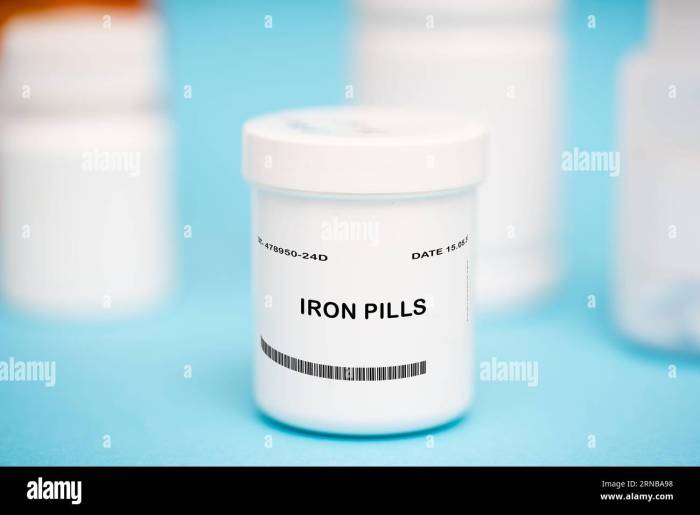
While iron supplements are beneficial for many, they can lead to side effects. Common issues include gastrointestinal discomfort, constipation, and dark stools. To minimize risks, it’s essential to follow dosage recommendations, take supplements with food, and stay hydrated. If side effects persist or worsen, consult a healthcare provider for guidance.
Myths and Misconceptions about Iron Supplements
There are several myths surrounding iron supplementation. One common misconception is that more iron is always better. In reality, excessive iron can lead to toxicity and health issues, such as liver damage.Another myth is that only vegetarians need to worry about iron deficiency. In truth, anyone can be at risk, especially women of childbearing age and individuals with certain health conditions.
Dispelling these myths is crucial for making informed health decisions regarding iron supplementation.
The Future of Iron Supplementation: Innovations and Research Directions
Recent research in iron supplementation is exploring new formulations and delivery methods. Innovations like liposomal iron and slow-release formulations aim to improve absorption and minimize side effects.The market is also seeing a trend towards personalized nutrition, where iron supplementation may be tailored based on individual genetic profiles. This evolution in iron supplementation suggests a promising future for more effective and safe iron management strategies for consumers.
Ultimate Conclusion: Iron Supplements
In conclusion, understanding Iron Supplements is essential for anyone looking to enhance their health and prevent deficiency. With the right knowledge about dosage, types of supplements, and their interactions with diet and medications, you can ensure optimal iron absorption and overall wellness. Don’t let misinformation steer your health journey—empower yourself with facts and consult healthcare professionals to personalize your approach to iron supplementation.
Your health deserves the best!
Discover more by delving into RGB Gaming Mouse Pad further.
Find out further about the benefits of Streaming Ring Light that can provide significant benefits.
Enhance your insight with the methods and methods of Thumb Grip for Controller.