Digital Thermometer is at the forefront of temperature measurement innovation, transforming how we monitor our health and environment. Gone are the days of cumbersome mercury thermometers; today’s digital thermometers offer speed, accuracy, and ease of use, making them essential tools in both healthcare and home settings. With the rapid advancement in technology, digital thermometers have evolved significantly over the decades, reflecting a fascinating history of ingenuity and improvement.
From their inception to modern-day designs, digital thermometers have undergone remarkable changes, incorporating sophisticated sensors and user-friendly interfaces. As we explore the evolution of these devices, we will uncover key milestones that highlight their journey and the technological advancements that have shaped their functionality. Join us as we delve into the world of digital thermometers and discover the future of temperature measurement.
The History and Evolution of Digital Thermometers
The journey of digital thermometers is not just a tale of innovation but a testament to the evolution of technology in our everyday lives. From traditional glass thermometers that rely on mercury to modern digital devices, this transformation showcases remarkable advancements in both design and functionality. Digital thermometers have drastically changed the way we measure temperature, making it a simpler and safer process.Beginning in the mid-20th century, the first digital thermometers were introduced, which displayed temperature readings on an electronic screen rather than relying on the physical expansion of mercury.
This marked a significant milestone in the history of temperature measurement, leading to quicker and more accurate readings. Over the decades, the technology continued to evolve, with key milestones such as the introduction of infrared thermometers in the 1980s, which allowed for non-contact measurement, and later advancements like Bluetooth connectivity in the 2000s that enabled temperature tracking via smartphones.
| Year | Milestone |
|---|---|
| 1960s | Introduction of the first digital thermometers. |
| 1980s | Launch of infrared thermometers for non-contact measurements. |
| 1990s | Digital thermometers with faster response times hit the market. |
| 2000s | Integration of Bluetooth technology for smart temperature tracking. |
| 2020s | Enhanced accuracy and features like predictive temperature readings. |
Understanding How Digital Thermometers Work
Digital thermometers utilize advanced technology to provide quick and accurate temperature readings, making them a preferred choice for both home and clinical use. The primary components of a digital thermometer include the temperature sensor, display, microprocessor, and power source. These components work harmoniously to ensure efficient temperature measurement.At the core of a digital thermometer is the temperature sensor, which detects changes in temperature.
Common types of sensors used include:
- Thermocouples
- Thermistors
- Resistance Temperature Detectors (RTDs)
- Infrared sensors
- Semiconductor sensors
These sensors convert thermal energy into an electrical signal, which the microprocessor then interprets and displays on the digital screen. This technology allows for a high level of precision and speed in measuring temperature compared to traditional glass thermometers. The capability of digital thermometers to provide results within seconds has made them indispensable in various settings, particularly in healthcare.
The Advantages of Using Digital Thermometers
Digital thermometers offer several benefits over traditional analog thermometers, enhancing user experience and safety. Their key advantages include:
- Faster readings: Digital thermometers typically provide temperature readings in seconds.
- Greater accuracy: They often yield more precise measurements compared to mercury thermometers.
- Ease of use: Digital displays make it easy for anyone to read the temperature.
- Safety: There is no risk of mercury exposure, which is hazardous if a glass thermometer breaks.
- Memory features: Many digital thermometers can store previous readings for tracking purposes.
In many scenarios, digital thermometers outperform traditional options. For example, in a busy clinical environment, the speed and accuracy of digital thermometers allow healthcare professionals to make quick decisions, enhancing patient care. In families with small children, digital thermometers are convenient and safer for at-home use, eliminating the worry of broken glass or mercury.
| Feature | Digital Thermometers | Traditional Thermometers |
|---|---|---|
| Speed of Reading | Seconds | Minutes |
| Accuracy | High | Variable |
| Safety | No mercury | Risk of breakage |
| Display Type | Digital screen | Analog scale |
| Memory Feature | Yes | No |
Importance of Calibration and Maintenance
Calibration and maintenance of digital thermometers are crucial to ensure their accuracy and reliability over time. A properly calibrated thermometer is essential in both home and clinical settings, as incorrect readings can lead to misdiagnosis or improper treatment. Regular checks against known reference points help maintain the accuracy of temperature measurements.Potential risks associated with improper use of digital thermometers include misdiagnosis, ineffective treatment plans, and potential harm to patients.
For instance, failing to calibrate a thermometer can result in false readings, which may lead to unnecessary panic in parents or delayed treatment in medical settings.Best practices for ensuring accurate readings from digital thermometers include:
- Regularly check for calibration against a reliable standard.
- Follow the manufacturer’s guidelines for cleaning and maintenance.
- Store the thermometer properly to prevent damage.
- Replace batteries as needed to ensure optimal performance.
- Perform routine checks to ensure the thermometer’s response time remains quick and consistent.
The Role of Digital Thermometers in Healthcare Settings
Digital thermometers play a pivotal role in modern healthcare, providing essential temperature readings that are vital for patient assessment and treatment. In clinical environments, these devices are used not only for routine checks but also during critical moments when quick and accurate temperature data can influence patient care decisions.The impact of digital thermometers on patient care is profound. They enable healthcare providers to monitor patients’ conditions more effectively, quickly identify fevers or hypothermia, and adjust treatment protocols accordingly.
The precision and speed of digital readings are invaluable, especially in emergency settings where every second counts.In addition, digital thermometers have revolutionized the way temperature readings are taken in pediatrics. Parents appreciate the ease of use and safety, reducing anxiety around broken thermometers. With features such as memory storage, caregivers can track temperature changes over time, which is especially important for ongoing conditions.
“Digital thermometers have transformed patient monitoring and have become an essential tool in providing timely and accurate medical care.” — Dr. Jane Smith, MD
Choosing the Right Digital Thermometer
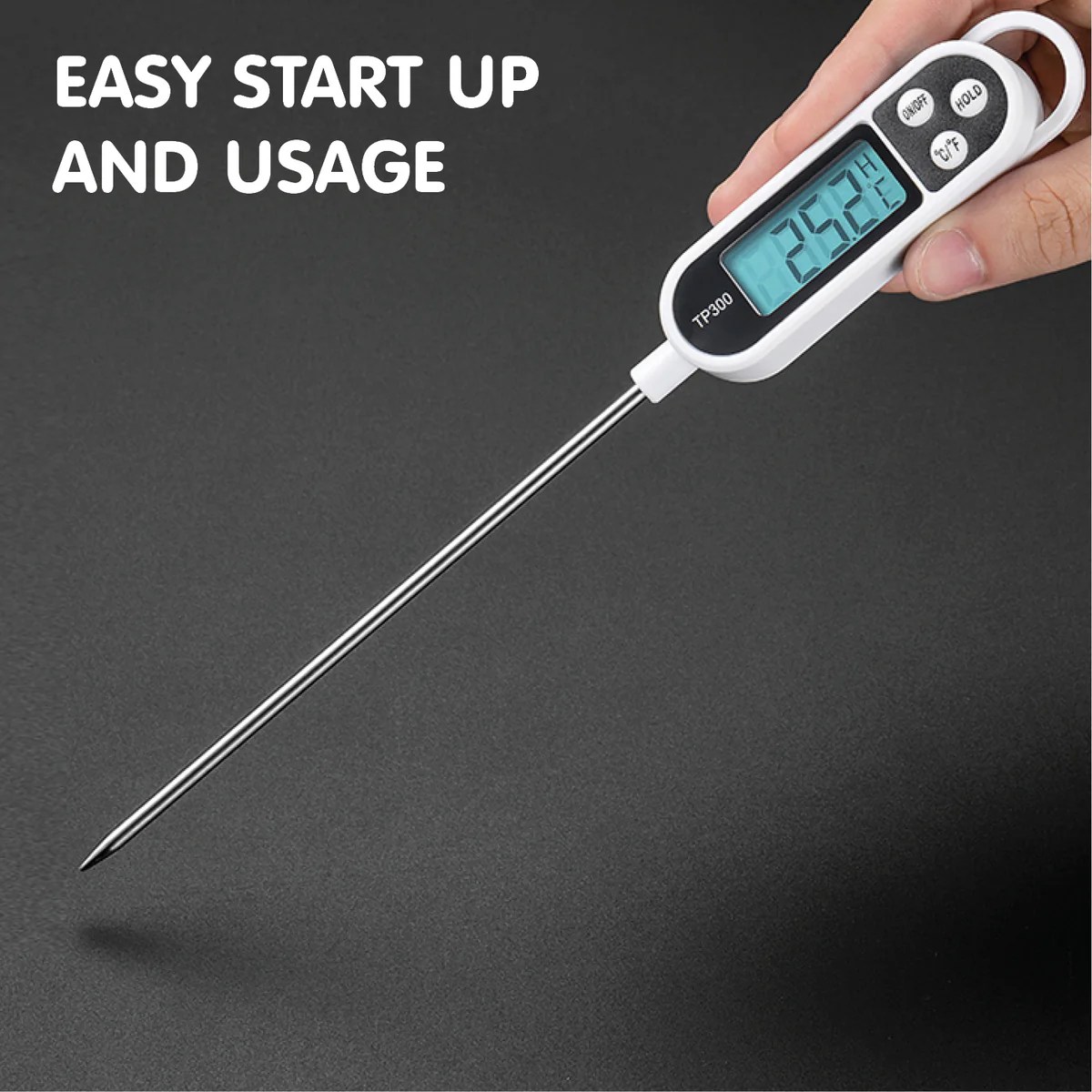
The variety of digital thermometers available can be overwhelming, but understanding the different types can help consumers make informed decisions. Digital thermometers come in several forms, including oral, rectal, axillary (underarm), and infrared. Each type serves specific needs, and features may vary significantly.When selecting a digital thermometer, consumers should consider several key features:
- Response time: Quick readings are essential, especially in clinical settings.
- Measurement range: Ensure the thermometer can accurately capture the intended temperature range.
- Ease of cleaning: Look for models that can be easily sanitized.
- Display clarity: A clear digital readout is vital for quick assessment.
- Additional features: Consider models with memory storage or connectivity options.
| Model | Type | Key Features |
|---|---|---|
| Model A | Oral | Fast reading, memory storage, waterproof |
| Model B | Infrared | No contact, instant reading, backlit display |
| Model C | Rectal | Flexible tip, quick read, thermometer cover included |
| Model D | Axillary | User-friendly, rapid measurement, auto shut-off |
Innovations in Digital Thermometer Technology
Recent advancements in digital thermometer technology have enhanced user experiences significantly. Innovations such as touchless infrared technology allow for quick temperature readings without contact, minimizing the risk of cross-contamination. These features have become particularly relevant in the context of public health, where hygiene is paramount.Future trends in digital thermometer development may include the integration of IoT (Internet of Things) capabilities, allowing devices to connect with health apps and wearable devices.
This could lead to more comprehensive health monitoring solutions, enabling individuals to track their temperature over time and share data with healthcare providers.Examples of smart digital thermometers include:
- Bluetooth-enabled thermometers that sync with mobile apps for temperature tracking.
- Infrared devices that provide instant readings and alert users to fevers.
- Wearable thermometers monitoring body temperature continuously, useful for early detection of illnesses.
Effective Usage Guidelines for Digital Thermometers
To maximize the reliability and functionality of digital thermometers, users should follow specific guidelines for proper usage. Correctly taking a temperature can significantly affect the accuracy of readings, ensuring that health decisions are based on reliable data.Some common mistakes made while using digital thermometers include not following the instructions for placement, using the thermometer in extreme temperatures, or failing to wait for it to stabilize before taking a reading.
To avoid these pitfalls, users should adhere to the following steps:
- Read and understand the manufacturer’s instructions thoroughly before use.
- Ensure the thermometer is clean and properly calibrated.
- Choose the appropriate measurement site (oral, rectal, or axillary) based on the user’s age and condition.
- Wait for the device to give a stable reading before removing it.
- Record the reading accurately for future reference.
Last Word: Digital Thermometer
In conclusion, the Digital Thermometer stands as a testament to how technology enhances our daily lives by providing accurate and reliable temperature readings. As we have seen, the advantages of digital thermometers over traditional models are profound, offering benefits that are both practical and life-saving. Understanding their history, technology, and proper usage not only helps in making informed choices but also ensures safety and accuracy in various settings.
Embrace the power of digital thermometers and elevate your temperature measurement experience today.
Check what professionals state about Streaming Microphone and its benefits for the industry.
Check what professionals state about Gaming Controller and its benefits for the industry.
Learn about more about the process of Console Gaming Headset in the field.