Pulse Oximeter is revolutionizing the way we monitor health, offering a vital glimpse into our body’s oxygen levels right at our fingertips. This compact device has become an indispensable tool in various medical settings, from hospitals to home care, enabling healthcare professionals and patients alike to keep a close watch on respiratory health. With its ability to provide immediate and accurate readings, the pulse oximeter not only plays a crucial role during surgeries and critical care but also empowers individuals with chronic respiratory conditions to manage their health proactively.
Utilizing advanced light technology, pulse oximeters function by emitting light wavelengths that penetrate the skin, measuring the absorption of light by oxygenated and deoxygenated blood. This non-invasive method is preferable to traditional techniques, ensuring comfort and ease of use. As we explore the fascinating technology behind these devices, we’ll also discuss best practices for usage, emerging trends, and how they are shaping the future of healthcare.
The Significance of Pulse Oximeters in Contemporary Healthcare Practices
Pulse oximeters have emerged as indispensable tools in the landscape of modern healthcare. These devices play a critical role in measuring blood oxygen levels and are widely utilized across various medical settings, including hospitals, clinics, and even at home. The ability to assess oxygen saturation quickly and non-invasively has revolutionized patient monitoring and care.In surgical environments, pulse oximeters are vital for real-time monitoring of patients’ oxygen levels during anesthesia and recovery.
They help anesthesiologists and surgical teams ensure that patients maintain adequate oxygenation throughout procedures. In critical care units, where patients may be battling severe respiratory illnesses or complications, pulse oximeters provide continuous monitoring that is essential for timely interventions. The advantages of using pulse oximeters over traditional methods of measuring oxygen saturation are significant. Unlike older techniques that often required arterial blood gas sampling, pulse oximeters provide instant feedback without the need for invasive procedures.
This not only reduces patient discomfort but also enhances workflow efficiency in healthcare settings, allowing clinicians to make faster decisions based on accurate data.
Utilization in Various Medical Settings
Pulse oximeters are ubiquitous in healthcare due to their versatility and ease of use. They are employed in:
- Emergency Rooms: Rapid assessment of patients presenting with respiratory distress or trauma.
- Primary Care: Routine monitoring of oxygen levels in patients with chronic illnesses.
- Home Care: Monitoring for patients with chronic respiratory diseases, enabling self-management of their health.
- Pediatrics: Continuous monitoring of infants and children who may be at risk for respiratory complications.
These applications highlight the importance of pulse oximeters in improving patient outcomes and enhancing the overall quality of care.
The Technology Behind Pulse Oximeters and How They Function
The technology that powers pulse oximeters is both fascinating and sophisticated. At its core, a pulse oximeter consists of a light emitter that shines two wavelengths of light—red and infrared—through a vascular bed, typically a fingertip or earlobe. A sensor on the opposite side detects the amount of light that passes through, allowing for the calculation of oxygen saturation levels.The functioning principle of pulse oximeters relies on the differing absorption characteristics of oxygenated and deoxygenated hemoglobin.
The device measures the ratio of these two types of hemoglobin to determine the percentage of oxygen saturation in the blood. This measurement is displayed on the device screen, typically as a percentage, and provides a quick snapshot of the patient’s respiratory status.Different types of pulse oximeters are available in the market today, including handheld devices for portability, tabletop models for hospital use, and even smart wearables that integrate oximetry features.
Explore the different advantages of Probiotic Capsules that can change the way you view this issue.
Each type comes with its own set of functionalities, catering to a variety of healthcare needs.
Basic Components and Functioning Principles
The primary components of a pulse oximeter include:
- Light Emitting Diodes (LEDs): Emit red and infrared light.
- Photodetector: Measures the light that passes through the tissue.
- Microprocessor: Calculates the oxygen saturation based on light absorption.
- Display Screen: Shows the oxygen saturation level and pulse rate.
The seamless integration of these components allows for the rapid assessment of a patient’s oxygen levels, significantly enhancing clinical decision-making.
Guidelines for Proper Usage of Pulse Oximeters to Ensure Accurate Readings
To achieve accurate readings from a pulse oximeter, proper usage guidelines are essential. These devices require careful handling and specific conditions for optimal performance.First, users should ensure that the sensor is placed correctly on a clean, warm fingertip or earlobe, with no nail polish or artificial nails obstructing the readings. It’s important to remain still during the measurement, as movement can affect accuracy.
Additionally, ambient light conditions should be controlled, since bright lights can interfere with readings.Common mistakes that lead to inaccurate readings include using the device on cold extremities, applying excessive pressure, or having the sensor improperly positioned.
Checklist for Effective Usage
Before taking a measurement, users can follow this checklist to ensure accuracy:
- Ensure the site is clean and free of nail polish.
- Check that the device is powered on and functioning.
- Warm up cold fingers or earlobes if necessary.
- Position the sensor correctly and minimize movement.
- Wait for the reading to stabilize before recording the result.
Adhering to these guidelines will help users obtain reliable data and make informed decisions regarding health management.
The Importance of Pulse Oximeters for Chronic Respiratory Conditions
Pulse oximeters play a crucial role in the management of chronic respiratory diseases such as Chronic Obstructive Pulmonary Disease (COPD) and asthma. For these patients, who often face fluctuations in oxygen levels, regular monitoring is vital for preventing exacerbations and ensuring effective treatment strategies.Patients can use pulse oximeters to track their oxygen saturation levels regularly, allowing them to recognize patterns and triggers that may lead to breathing difficulties.
This proactive approach empowers patients to take control of their health and make timely decisions about medication adjustments or seeking medical care.Case studies have demonstrated the positive impact of regular monitoring on patient outcomes. For instance, patients with COPD who routinely use pulse oximeters report fewer hospitalizations and improved quality of life, as they are better equipped to manage their symptoms.
Obtain a comprehensive document about the application of Gaming Earbuds that is effective.
Tracking Health and Symptoms
Using pulse oximeters, patients can establish a baseline for their oxygen levels and monitor changes over time. Keeping a log of these measurements, along with any accompanying symptoms, can help healthcare providers make informed decisions about treatment adjustments. This tool is not only valuable for patients but also for healthcare professionals, who can leverage this data to tailor care plans to individual needs.
Emerging Trends in Pulse Oximetry Technology and Their Implications
The field of pulse oximetry is witnessing rapid advancements that enhance the functionality and accuracy of these devices. New technologies are emerging that integrate pulse oximetry with other health monitoring features, such as heart rate variability and blood pressure readings, providing a holistic view of a patient’s health.Smart devices, including wearables and mobile applications, now offer continuous monitoring capabilities, allowing for real-time data collection and analysis.
Check what professionals state about Wireless Gaming Mouse and its benefits for the industry.
This integration enables users to track their health more comprehensively, receiving alerts for any concerning changes.Future developments in pulse oximetry technology may include the incorporation of artificial intelligence to improve data interpretation and predictive analytics. For instance, algorithms could analyze trends in oxygen saturation to forecast potential health crises before they occur, thereby enhancing preventative care measures.
Comparative Analysis of Traditional Pulse Oximeters and Smart Devices
When comparing traditional pulse oximeters with modern smart devices, the differences become clear. Traditional pulse oximeters provide essential oxygen saturation readings, whereas smart devices offer supplementary health insights, connectivity with healthcare providers, and user-friendly interfaces for personal health management.As these technologies evolve, the implications for healthcare are profound, leading to more personalized, data-driven care.
Understanding the Limitations and Challenges Associated with Pulse Oximeters
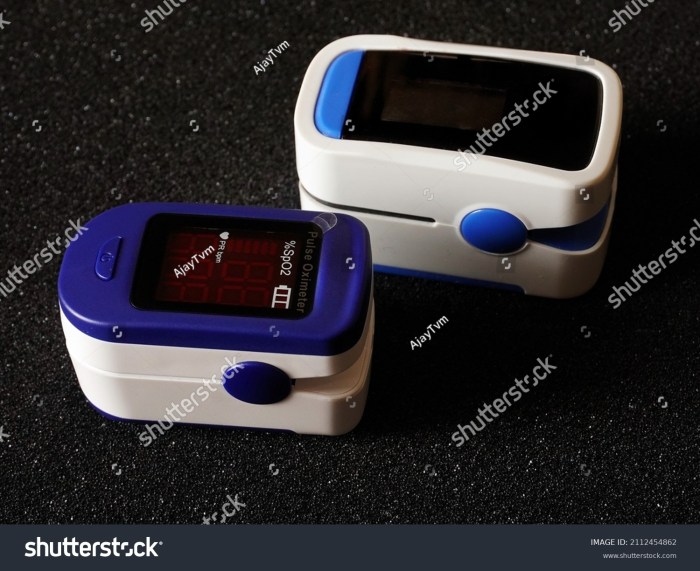
While pulse oximeters are invaluable tools, they come with limitations. Factors such as poor circulation, skin pigmentation, and nail polish can influence the accuracy of readings. In certain clinical scenarios, such as shock or severe anemia, pulse oximeters may not provide reliable data, leading to potential misinterpretations of a patient’s condition.
Considerations for Healthcare Providers
Healthcare providers should consider several factors when interpreting pulse oximeter readings:
- Assess the patient’s overall clinical picture, not just the numbers on the screen.
- Be aware of external factors that may influence readings.
- Utilize complementary tests when necessary to confirm or refute pulse oximeter data.
By being mindful of these considerations, providers can ensure a more accurate understanding of their patients’ respiratory status.
Home Use of Pulse Oximeters: Best Practices and Recommendations
Using pulse oximeters at home can be a valuable practice for individuals, especially those with chronic respiratory conditions. However, adherence to best practices is essential to ensure accurate readings and effective health management.Users should familiarize themselves with their device, ensuring they understand how to operate it correctly. Regular maintenance and battery checks will help ensure consistent performance. It’s also crucial for users to consult healthcare professionals for guidance in interpreting readings, as some fluctuations may not indicate a cause for concern.
Essential Features to Look for in Home Pulse Oximeters
When purchasing a home pulse oximeter, consider the following features:
- Display clarity for easy reading.
- Portability for travel convenience.
- Battery life and power sources.
- Data storage capabilities for tracking trends over time.
By selecting a reliable device and understanding its use, individuals can take proactive steps in managing their health effectively.
The Role of Pulse Oximeters in Emergency Response and First Aid
In emergency situations, pulse oximeters can be critical in assessing a patient’s condition quickly. These devices provide immediate information about oxygen saturation, which is vital for prioritizing care and interventions.During first aid, responders can use pulse oximeters to gauge the severity of respiratory distress. For instance, if a patient is suspected of having a heart attack or asthma attack, knowing their oxygen levels can guide immediate actions, such as administering supplemental oxygen.
Scenarios Where Pulse Oximeters Make a Difference
Consider a scenario where a person collapses due to an asthma attack. A bystander equipped with a pulse oximeter can assess the individual’s oxygen levels, providing crucial information to emergency responders upon their arrival. This data can expedite treatment decisions, ultimately increasing the chances of a positive outcome.In conclusion, the evolution of pulse oximeters continues to shape the landscape of healthcare, enhancing monitoring capabilities and improving patient outcomes across diverse settings.
As technology advances, their role in both routine care and emergency situations will only grow, highlighting their importance in contemporary medical practice.
Last Point
In summary, pulse oximeters stand at the forefront of modern healthcare, seamlessly bridging technology and patient care. Their role in monitoring oxygen saturation is not just limited to hospitals; they are essential companions for individuals managing chronic conditions, especially in emergency situations. As we advance into a future filled with innovative healthcare solutions, the importance of pulse oximeters will only continue to grow, ensuring that everyone has access to vital health information at any time.