First Aid Kit is not just a collection of supplies; it’s a lifeline in emergencies. Every household should prioritize having a first aid kit to ensure the safety and well-being of family members. With statistics showing a significant number of household accidents each year, being prepared can make all the difference. From minor cuts to more serious injuries, having a well-stocked first aid kit can help you respond quickly and effectively when it matters most.
Equipping your home with the right first aid essentials empowers you to tackle unforeseen situations. Understanding the basic components, various types, and maintenance of a first aid kit is crucial in maximizing its effectiveness. Customizing your kit to meet your family’s specific needs and staying informed about first aid techniques can enhance your preparedness for any emergency.
The Importance of Having a First Aid Kit in Every Household
In today’s fast-paced world, ensuring the safety and health of your family is more important than ever. One way to bolster your family’s preparedness for emergencies is by having a well-stocked first aid kit at home. A first aid kit is not just a box of band-aids; it is a crucial tool that can mean the difference between life and death in certain situations.Household accidents can occur at any time, from minor cuts and scrapes to more severe injuries like burns or fractures.
Research indicates that approximately 1 in 10 households experience a medical emergency each year, making it vital to be ready. Preparedness can significantly reduce panic during emergencies and enhance the chances of a positive outcome.
Basic Components Every First Aid Kit Should Include
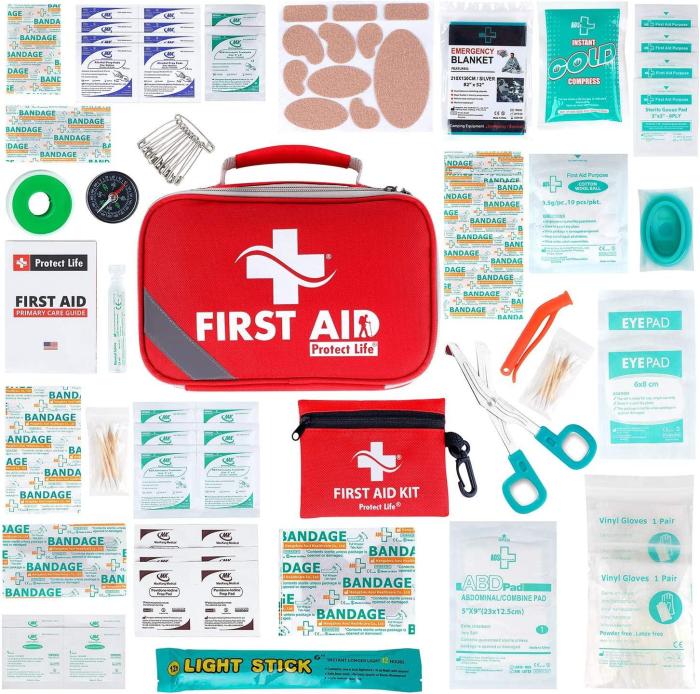
An effective first aid kit should contain essential items that are universally recommended for various situations. Having these items at your fingertips can save time and provide peace of mind.
- Adhesive Bandages: Useful for covering small cuts and abrasions.
- Antiseptic Wipes: Essential for cleaning wounds to prevent infection.
- Gauze Pads: Necessary for dressing larger wounds that require more than a band-aid.
- Medical Tape: Helps secure gauze and dressings in place.
- Scissors: Handy for cutting tape, gauze, or clothing in case of an injury.
- Disposable Gloves: Important for protecting both the caregiver and the patient during treatment.
- Burn Cream: Provides relief and aids healing for minor burns.
- Cold Pack: Useful for reducing swelling or pain from injuries.
It’s also important to tailor your kit to your environment. For instance, a car kit might include items like a reflective triangle and flares for roadside emergencies, while an outdoor kit may contain insect repellent and extra sunscreen.
Understanding Different Types of First Aid Kits Available
First aid kits come in various types, each designed for specific needs. Understanding these differences can help you select the most appropriate kit for your situation.
- Standard Home Kits: Typically include basic supplies for handling common injuries.
- Travel Kits: Compact and portable, designed for on-the-go emergencies.
- Workplace Kits: Often required by regulations, tailored to potential workplace injuries.
- Specialized Kits: Designed for activities like hiking or sports, containing specific gear for those environments.
Choosing the right kit depends on your personal needs and lifestyle. For instance, an active family may need a kit that addresses sports injuries, while someone with allergies might require specific medications.
First Aid Kit Maintenance and Regular Checks
Maintaining your first aid kit is crucial to ensure it is always ready for use. Regular checks enable you to monitor expiration dates and replace used items.Start by inspecting your kit every six months. Check each item’s expiration date and make a list of what needs to be replenished. After using supplies, promptly replace them to keep your kit fully stocked.
Keeping the kit organized helps you find items quickly when needed.
The Role of First Aid Education in Effective Usage of a Kit
Understanding first aid techniques is vital for maximizing your kit’s effectiveness. Knowing how to use the items in your kit can significantly impact the outcome of an emergency situation.Various resources are available for first aid training, including online courses, local community classes, and certification programs. Personal stories highlight the importance of this knowledge; many individuals have successfully administered first aid thanks to their training, turning panic into control during critical moments.
Customizing Your First Aid Kit for Specific Needs
Customizing your first aid kit ensures it meets the unique needs of your family or lifestyle. Factors to consider include the age of family members, any chronic health conditions, and common activities.For families with young children, additional items like pediatric dosages for medications or specific allergy treatments might be necessary. A sample kit for such a family could include:
- Children’s pain reliever
- Child-safe tweezers
- Extra bandages in fun designs
Consider individual needs when assembling your kit to make it truly functional.
Legal Considerations and Responsibilities When Using a First Aid Kit
Administering first aid comes with legal implications. Understanding Good Samaritan laws is vital, as they protect those who help others in emergencies.Training certifications can clarify your responsibilities and rights when providing aid. Familiarizing yourself with local regulations can mitigate potential liabilities, ensuring you feel confident in your ability to assist in an emergency.
Techniques for Effectively Using a First Aid Kit in Emergencies
Knowing how to use the items in your first aid kit can make a significant difference during emergencies. Common injuries such as cuts, burns, or sprains can often be treated effectively with proper techniques.Consider a scenario where someone suffers a cut. Use antiseptic wipes to clean the wound, followed by applying a gauze pad secured with medical tape. In more severe cases, knowing when to seek professional help is equally important.
The Importance of Accessibility in First Aid Kit Placement
Accessibility plays a crucial role in the effectiveness of your first aid kit. Strategically placing kits in easily reachable spots can drastically reduce response times during emergencies.Consider locations like the kitchen, family room, and car for your kits. Visibility ensures everyone knows where to find them, making them readily available when time is of the essence.
Future Trends in First Aid Kits and Emergency Preparedness
The future of first aid kits is evolving with innovations in design and technology. Smart kits that can track supplies and provide instructions through mobile apps are on the rise.Materials used in first aid supplies are also advancing; for instance, faster-acting bandages and wound care products are now available. As health trends evolve, first aid kits will likely adapt to incorporate these advancements, ensuring they remain effective and relevant.
Epilogue: First Aid Kit
In conclusion, a well-prepared first aid kit is an invaluable resource that can save lives and provide peace of mind. Regular maintenance and education on its proper usage ensure that you and your loved ones are ready for emergencies. By taking the time to assemble and customize your first aid kit, you’re not only investing in safety but also fostering a proactive approach to health and well-being.
Obtain a comprehensive document about the application of Smart Health Watch that is effective.
Enhance your insight with the methods and methods of Air Purifier.
Examine how RGB Gaming Speakers can boost performance in your area.