Hardware Wallets are revolutionizing the way we secure our digital assets. As the backbone of cryptocurrency storage, these devices offer unparalleled protection against online threats while ensuring user-friendly accessibility. Unlike software wallets, which can be vulnerable to hacking, hardware wallets store your private keys offline, creating a fortress around your valuable cryptocurrencies. This innovative technology combines cutting-edge features with ease of use, making it an essential tool for both novice and experienced crypto enthusiasts.
Designed with robust security measures, hardware wallets utilize advanced encryption and secure elements to safeguard users’ sensitive information. With a myriad of options available in the market, choosing the right hardware wallet can be daunting. However, understanding the benefits and setup processes can empower users to make informed decisions that enhance their cryptocurrency security.
The fundamental principles of hardware wallets
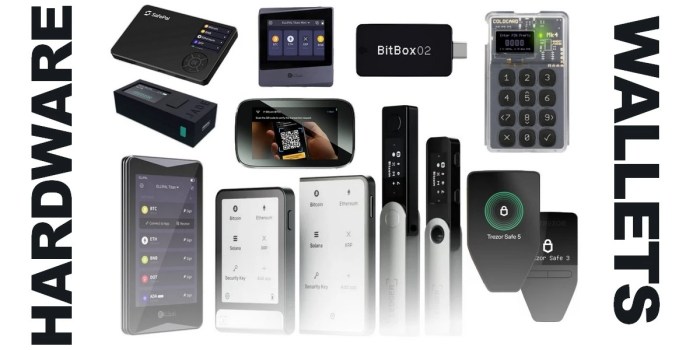
Hardware wallets are specialized devices designed to securely store cryptocurrency private keys offline, offering a level of security that surpasses software wallets. Unlike software wallets, which can be vulnerable to hacks and malware because they operate on connected devices, hardware wallets provide a robust defense for your digital assets by keeping the keys away from the internet. This isolation from digital threats is a primary reason why many cryptocurrency users prefer hardware wallets for substantial holdings.
The basic concept behind hardware wallets revolves around the principle of cold storage, where private keys are not exposed to the internet, significantly reducing the risk of theft. Hardware wallets employ advanced cryptographic techniques to sign transactions securely. When a transaction needs to be made, the transaction data is sent to the wallet, where it is signed using the private key stored on the device.
The signed transaction is then sent back to the computer or mobile device for broadcasting to the blockchain. This ensures that the private key never leaves the hardware wallet, adding an extra layer of security.
Common features of hardware wallets
Hardware wallets integrate several critical features that enhance both security and user-friendliness. These features include:
- Secure Element: Most hardware wallets contain a dedicated secure element chip that protects private keys against physical and side-channel attacks. This chip is designed to resist tampering and unauthorized access.
- Recovery Seed: Hardware wallets generate a recovery seed, which is a series of words that can be used to restore access to funds in case the device is lost or damaged. This seed is crucial for users to back up their wallets securely.
- Multi-Currency Support: Many hardware wallets support a variety of cryptocurrencies, allowing users to manage multiple assets from a single device. This feature simplifies asset management for investors.
- User Interface: Modern hardware wallets feature intuitive user interfaces that make navigation easy. Many devices come with screens that display transaction details, ensuring that users verify the transaction before approving it.
- Firmware Updates: Manufacturers regularly release firmware updates to enhance security and add new features. Users can update their wallets securely, ensuring they benefit from the latest security measures.
The technology employed in hardware wallets focuses on protecting users’ private keys through a combination of encryption and physical security measures. The keys are generated and stored in the secure element, ensuring they remain inaccessible to outside attacks. This technology not only safeguards against hacking but also provides peace of mind, knowing that assets are protected by cutting-edge security protocols.
The combination of these features empowers users to keep their cryptocurrencies safe while enjoying the convenience of easy transactions.
The benefits of using hardware wallets for cryptocurrency storage
In an era where digital assets are becoming increasingly valuable, ensuring the security and integrity of cryptocurrencies is paramount. Hardware wallets have emerged as an essential solution for securely storing cryptocurrencies, providing a combination of robust protection and user-friendliness. With their specialized design aimed at safeguarding digital assets, hardware wallets offer numerous advantages over other storage methods like software wallets or exchanges.The primary benefit of hardware wallets is their unparalleled security.
Unlike software wallets, which are often connected to the internet, hardware wallets store your private keys offline. This offline storage structure significantly mitigates the risk of hacking, phishing attacks, and malware that could potentially compromise your cryptocurrency. With hardware wallets, your digital assets are guarded against online threats, allowing you to hold your cryptocurrencies in a safe environment, free from the vulnerabilities associated with internet-connected devices.
Importance of Offline Storage in Guarding Against Online Threats
The significance of offline storage in cryptocurrency management cannot be overstated. By keeping your private keys offline, hardware wallets utilize a “cold storage” approach, which is one of the most secure methods to protect digital assets. Here are several key points outlining this importance:
-
Cold storage makes it nearly impossible for hackers to gain access to your assets remotely.
- Hardware wallets are designed to be resilient against physical tampering and unauthorized access, further enhancing security.
- Since your keys are stored offline, even if your computer is infected with malware, your cryptocurrencies remain secure in the hardware wallet.
- Users can easily back up their wallets using recovery phrases, ensuring that their assets are retrievable even if the device is lost or damaged.
Scenarios Where Hardware Wallets Provide Best Security Measures
Different users require different levels of security based on their cryptocurrency holdings and usage patterns. Here are specific scenarios where hardware wallets excel in providing security:
- For long-term investors holding significant amounts of cryptocurrency, hardware wallets offer the peace of mind that comes with superior protection. This group benefits from the ability to store assets safely for an extended period without the need for frequent transactions.
- Traders who operate in high-volatility environments can also benefit from hardware wallets. By keeping the majority of their funds in a hardware wallet and only transferring amounts needed for trading, they can minimize the risk of losing larger sums due to hacking or exchange failures.
- Users who frequently interact with decentralized finance (DeFi) applications can protect their funds by using hardware wallets. Given the rise in scams and vulnerabilities associated with DeFi platforms, maintaining control over private keys in a hardware wallet is crucial.
- Individuals who are new to cryptocurrency can leverage the security features of hardware wallets to learn about safe practices while mitigating risks inherent in digital asset management.
Comparing leading hardware wallet brands and models
When it comes to securing your cryptocurrency investments, hardware wallets are a top choice among investors. With several brands available, understanding their unique offerings is essential for making an informed decision. This comparison highlights the leading hardware wallet brands, emphasizing their key features, compatibility with various cryptocurrencies, and user demographics.Each hardware wallet offers distinct advantages and caters to different user needs, which is crucial to consider.
Below is a detailed comparison of popular hardware wallet brands, including Ledger, Trezor, and KeepKey.
Key Specifications and User Demographics
Understanding the specifications of each model helps users determine which wallet suits their needs best. The following table summarizes the key features, supported cryptocurrencies, and target demographics for each leading hardware wallet brand:
| Brand & Model | Key Specifications | Supported Cryptocurrencies | Target Demographics |
|---|---|---|---|
| Ledger Nano X | Bluetooth enabled, 100+ apps | 1,800+ | Advanced users, mobile access |
| Trezor Model T | Touchscreen, open-source | 1,600+ | Privacy-conscious users, advanced features |
| KeepKey | Large display, simple interface | 40+ | Beginner users, simple needs |
User experiences and reviews play a significant role in understanding the strengths and weaknesses of each brand. Ledger is often praised for its wide range of supported cryptocurrencies and user-friendly Ledger Live software. However, some users express concerns over the potential risk of Bluetooth connectivity.Trezor Model T has garnered positive feedback for its strong security features and intuitive interface, making it ideal for users who prioritize privacy.
Critics, however, have noted its higher price point compared to other wallets in the market.KeepKey appeals to novice users due to its straightforward design and ease of use. While it lacks support for as many cryptocurrencies as its competitors, its simplicity is a strong selling point for those just starting in the cryptocurrency world.In conclusion, choosing the right hardware wallet depends on various factors, including your level of experience, the types of cryptocurrencies you plan to manage, and your specific security needs.
Evaluating these aspects against the offerings of each brand will guide you in selecting the best solution for your cryptocurrency security.
The setup process for hardware wallets
Setting up a hardware wallet is a crucial step in securing your cryptocurrency investments. The process ensures that your assets are protected from hacking and theft while allowing you to manage your digital currencies efficiently. This guide will walk you through the entire setup process, from unboxing your device to configuring it securely for optimal protection.
Step-by-Step Setup Guide
Unboxing and setting up your hardware wallet is an exciting journey towards enhanced security for your crypto assets. Follow these steps to ensure a smooth and secure setup:
Unboxing Your Hardware Wallet
Carefully remove the wallet from its packaging, ensuring you retain all included accessories such as cables, stickers, and instruction manuals.
Check for tamper-proof seals to confirm that the device has not been compromised during shipping.
Connect the Hardware Wallet to Your Computer
Use the provided USB cable to connect the wallet to your computer. Make sure to use a device you trust to avoid potential security risks.
Download Official Wallet Software
Visit the official website of your hardware wallet manufacturer to download the necessary software. This step is crucial to avoid phishing scams.
Install the software following the prompts on your screen.
Initial Configuration of the Wallet
Open the wallet software. Follow the on-screen instructions to initialize your wallet.
Create a new wallet and select a secure PIN code. This PIN will be required every time you access the wallet.
Backup Your Recovery Phrase
During the setup process, you will be prompted to write down a recovery phrase. This is a critical security feature.
Write down the phrase on paper and store it in a safe location. This phrase is your only way to recover your wallet if it is lost or damaged.
Confirm Your Recovery Phrase
The wallet will ask you to confirm the recovery phrase by entering a few words in the correct order. This ensures that you have noted it down correctly.
Install Firmware Updates (if necessary)
Check for any firmware updates for your hardware wallet and install them to ensure you have the latest security enhancements.
Transfer Cryptocurrency to Your Wallet
Once your wallet is set up and secured, you can begin transferring cryptocurrency to it. Make sure to double-check the addresses before sending any funds.
Enable Security Features
Set up additional security features such as two-factor authentication (2FA) if available, to further enhance the protection of your wallet.
Keep Software and Firmware Updated Regularly
Regularly check for software updates and apply them to maintain optimum security for your cryptocurrency assets.
Always remember: security begins at setup. A well-configured wallet can prevent potential losses.
By following these essential steps, you can confidently set up your hardware wallet while safeguarding your valuable digital assets. Ensuring that each of these steps is executed properly will enhance your security posture and provide peace of mind in managing your cryptocurrencies.
Troubleshooting common issues with hardware wallets
Hardware wallets are essential tools for securely managing cryptocurrencies, yet users may encounter various challenges while using them. Understanding these common problems and their solutions can enhance the user experience and ensure the safety of digital assets. Effective troubleshooting is key to maintaining the integrity of hardware wallets and ensuring seamless transactions.
Common issues and solutions
Despite their robust security features, hardware wallets can sometimes present users with challenges. Below are five frequent problems and their respective solutions to assist users in addressing them effectively.
Always keep your device firmware up to date to minimize compatibility issues.
- Device not recognized by computer: Ensure that the cable is functioning properly and try using a different USB port. Updating the drivers for your USB ports may also help.
- Firmware update failure: If the device fails to update, restart it and attempt the update again. Ensure that your internet connection is stable, and try using another computer if the issue persists.
- Incorrect PIN entered: After entering the wrong PIN multiple times, the device may lock you out temporarily. Wait for a while before trying again, and be sure to double-check your PIN.
- Transaction not signing: Ensure your device is connected and unlocked. Sometimes, the device may need to be restarted if it’s unresponsive during transaction processing.
- Recovery seed issues: If you’re unable to restore your wallet, verify that you are entering the correct recovery words in the correct order. Participants often make errors in recall, so refer to your written seed phrase.
Manufacturer support and community resources
Access to manufacturer support and community resources is vital in troubleshooting hardware wallet issues. Manufacturers often provide extensive documentation, FAQs, and customer service options that can guide users in resolving problems. Engaging with community forums allows users to share experiences and solutions, creating a collaborative atmosphere for troubleshooting.
Utilizing manufacturer resources and community insights can save time and enhance wallet security.
- Check the official website for FAQs and troubleshooting guides.
- Contact customer support for direct assistance with device-specific issues.
- Participate in community forums on platforms like Reddit or dedicated cryptocurrency discussion boards.
- Consult YouTube tutorials for visual guidance on common issues.
- Follow social media channels for updates and tips related to hardware wallet usage.
Troubleshooting process flowchart
A flowchart can provide a clear overview of the troubleshooting process for common hardware wallet issues. Below is a textual representation of a simplified flowchart that can guide users through resolving problems effectively.
Device not recognized?
Check USB connection
If yes, use another port or cable
- If no, restart device
- Firmware update failure?
Check internet connection
If stable, retry update
- If not, troubleshoot network settings
- PIN entered incorrectly?
Wait for lockout period
- If forgotten, refer to recovery options
- Transaction not signing?
Ensure device is connected
- Restart device and retry
- Recovery seed issues?
Verify correct order of recovery words
If still unsuccessful, consult support
This flowchart serves as a reference point to streamline the troubleshooting process, ensuring that users can quickly identify and resolve issues with their hardware wallets.
You also can investigate more thoroughly about Professional Liability Insurance to enhance your awareness in the field of Professional Liability Insurance.
The role of firmware updates in hardware wallet security: Hardware Wallets
Firmware updates are a crucial aspect of maintaining the security and functionality of hardware wallets. Just as operating systems on computers and smartphones receive regular updates to patch vulnerabilities and improve performance, hardware wallets also require firmware updates to ensure the highest level of security for cryptocurrency holdings. These updates can protect users from emerging threats and sophisticated attacks, ultimately safeguarding their digital assets.Firmware updates contribute significantly to the overall security of hardware wallets by integrating the latest security protocols and addressing newly discovered vulnerabilities.
Cybersecurity is a constantly evolving field, with new threats emerging regularly. When vulnerabilities are identified, manufacturers often release firmware updates to eliminate these risks, ensuring users are protected from potential exploits. Additionally, updates can enhance wallet features, improve user experience, and provide better compatibility with various cryptocurrencies.
Remember to click Dental Insurance to understand more comprehensive aspects of the Dental Insurance topic.
Process of checking for updates and applying them correctly
Maintaining up-to-date firmware is essential for the security of hardware wallets. Users should regularly check for updates to ensure their device is operating with the latest security features. The process typically involves the following steps:
- Connect the hardware wallet to a computer or mobile device.
- Open the wallet management software provided by the manufacturer.
- Navigate to the settings or firmware update section within the software.
- The software will automatically check for available updates and prompt the user to download and install them if any are found.
It is imperative to carefully follow the manufacturer’s instructions when applying firmware updates. Users should not interrupt the update process, as doing so can corrupt the wallet’s firmware and potentially lead to data loss or device malfunction.
Past vulnerabilities have highlighted the importance of timely firmware updates. For instance, a significant security flaw discovered in Ledger wallets allowed unauthorized access to users’ private keys, which was swiftly addressed through a firmware update. Similarly, Trezor identified vulnerabilities that could potentially expose users to phishing attacks and released updates to mitigate these risks.
By consistently applying firmware updates, users can fortify their hardware wallets against evolving threats, ensuring their cryptocurrency investments remain secure. The commitment to proactive security through firmware management reflects a responsible approach to safeguarding digital assets in an increasingly complex cyber landscape.
The future trends in hardware wallet technology
As the digital currency landscape evolves, so too does the technology powering hardware wallets. These devices are becoming increasingly essential for securing cryptocurrencies amidst rising threats and user demands for enhanced functionality. With advancements in design and security measures, the future of hardware wallets looks promising, catering to both novice users and seasoned investors alike.
Emerging trends in hardware wallet design and functionality highlight the industry’s commitment to security and user-friendliness. The integration of cutting-edge technologies, such as biometric security features and multi-signature support, is at the forefront of this evolution. These advancements not only bolster security but also simplify the user experience, making these wallets more accessible than ever.
Biometric Security and Multi-Signature Support
Biometric security systems, which utilize fingerprints, facial recognition, or iris scans, are becoming integral to hardware wallet designs. This technology offers a robust layer of protection, ensuring that only authorized users can access their funds. As consumers become more aware of security risks, biometric authentication is expected to gain traction due to its convenience and effectiveness. For instance, the latest models feature fingerprint scanners embedded into their design, allowing for quick access while maintaining high levels of security.
Multi-signature support is another critical advancement that is shaping the future of hardware wallets. This feature requires multiple private keys to authorize a transaction, which mitigates the risk of theft. Users can set up wallets that require approval from several parties before funds can be moved, which is particularly beneficial for organizations managing pooled investments or for individuals looking to enhance their personal security.
The adoption of this technology reflects a growing trend towards decentralized security measures.
An industry expert noted, “The future of hardware wallets lies in their ability to adapt to technological advancements and user needs. We foresee a strong preference for more intuitive designs coupled with superior security features.” As competition in the market intensifies, companies are expected to innovate continually, improving user interfaces and incorporating features like wireless connectivity and integration with decentralized finance applications.
The digital currency ecosystem is also witnessing a shift towards mobile compatibility, with hardware wallets that seamlessly interact with mobile applications. This trend allows users to manage their assets on the go without compromising security. As a result, hardware wallets are positioned to become more versatile, enabling features like real-time transaction notifications and advanced asset management tools.
As these trends continue to shape the future of hardware wallets, the industry anticipates a more secure, user-friendly landscape. The ongoing integration of advanced technologies will significantly enhance the way users interact with their cryptocurrencies, ensuring that security remains paramount in the growing digital economy.
Best practices for maintaining security with hardware wallets
In today’s digital age, safeguarding your cryptocurrency is paramount. Hardware wallets offer robust protection against cyber threats, but users must adhere to best practices to maximize security. This guide will provide essential strategies to maintain the integrity of your hardware wallet and protect your digital assets.To ensure optimal security while using hardware wallets, consider the following detailed practices that enhance your protection against potential threats.
Examine how How to engage customers with interactive electronic promotions can boost performance in your area.
Implementing these strategies can significantly reduce the risk of unauthorized access to your funds.
Essential Practices for Hardware Wallet Security
Maintaining the security of your hardware wallet requires vigilance and adherence to proven practices. Below are key recommendations to enhance your security posture:
1. Keep Firmware Updated
Always use the latest firmware version provided by the wallet manufacturer. Updates often include security patches that protect against vulnerabilities.
2. Use Strong PINs
Set a strong, unique PIN for your hardware wallet. Avoid simple or easily guessable combinations, such as 1234 or your birthdate.
3. Enable Two-Factor Authentication (2FA)
Whenever possible, enable 2FA on your wallet. This adds an extra layer of security by requiring a second form of verification before access is granted.
4. Avoid Public Wi-Fi
Conduct transactions using a secure, private internet connection. Public Wi-Fi networks can expose you to man-in-the-middle attacks.
5. Backup Your Wallet
Regularly back up your wallet’s recovery seed phrase. Store this phrase in a secure location, separate from your hardware wallet, to ensure you can recover your assets if needed.
6. Be Cautious of Phishing Attempts
Always verify links and sources before entering your wallet information online. Phishing attacks can trick users into revealing sensitive data.
7. Use a Secure Environment
When accessing your wallet, ensure your computer or mobile device is free from malware. Regularly scan for viruses and maintain updated antivirus software.
8. Limit Accessibility
Only connect your hardware wallet to devices that you trust. Avoid using it on shared or public computers where the risk of infection is higher.To reinforce the commitment to security, here is a concise checklist of dos and don’ts for hardware wallet users:
Checklist for Hardware Wallet Users
This checklist serves as a quick reference for maintaining your hardware wallet’s security.
- Do: Regularly check for firmware updates.
- Do: Use a strong, complex PIN.
- Do: Enable 2FA wherever possible.
- Do: Backup your recovery seed phrase securely.
- Do: Use secure, private internet connections.
- Don’t: Share your PIN or recovery seed with anyone.
- Don’t: Use public Wi-Fi for sensitive transactions.
- Don’t: Click on suspicious links or emails.
- Don’t: Store your recovery seed on your device.
- Don’t: Access your wallet on unsecured devices.
“Personal responsibility is crucial in protecting your digital assets stored in hardware wallets. Each precaution taken significantly reduces the risk of loss.”
Maintaining security with hardware wallets is not just about the technology but also about the user’s commitment to implementing these practices. Your diligence in following these best practices will empower you to manage your digital assets securely and confidently.
Educational resources for understanding hardware wallets
Gaining a thorough understanding of hardware wallets is essential for effectively securing your digital assets. With the rise in popularity of cryptocurrencies, having reliable sources of information can significantly enhance your ability to navigate this landscape confidently. Below are several reputable resources that offer valuable insights into hardware wallets and their functionalities.
Reputable resources for learning about hardware wallets
Exploring a variety of educational resources is crucial for users looking to deepen their knowledge of hardware wallets. These resources include tutorials, articles, and community forums that cover both the technical aspects and best practices for using these devices. The following list showcases some of the most informative platforms available:
- Ledger Academy: An extensive resource created by Ledger, offering comprehensive guides on hardware wallets, cryptocurrency security, and best practices.
- Trezor Blog: A dedicated blog by Trezor that features articles, tutorials, and updates on hardware wallet technology and market trends.
- Cointelegraph Academy: This educational segment of Cointelegraph provides free courses and articles covering various cryptocurrency topics, including hardware wallet usage.
- Bitcoin.org: The official Bitcoin website includes a section on wallets, detailing different types, including hardware wallets, along with their features and comparisons.
- Reddit – r/CryptoCurrency: This active online community features discussions, tutorials, and Q&A sessions where users share their experiences and knowledge related to hardware wallets.
The value of educational content for users, Hardware Wallets
The availability of tutorials and forums plays a significant role in enhancing user knowledge of hardware wallets. Comprehensive educational content breaks down complex concepts into digestible lessons, making it easier for users to understand the functionalities and advantages of hardware wallets. Tutorials often include step-by-step guides that demonstrate how to set up and manage these wallets effectively, ensuring users can protect their assets securely.
“Educational resources empower users to make informed decisions, leveraging knowledge to maximize the benefits of hardware wallets.”
Community engagement in hardware wallet usage
Community engagement is a vital aspect of informed hardware wallet usage. Online forums and discussion platforms provide users with a space to share insights, troubleshoot issues, and discuss new updates in the industry. Engaging with other users fosters a collaborative learning environment, where individuals can benefit from collective experiences. This community-driven knowledge can lead to improved security practices, as users often share tips on safeguarding their wallets against potential threats.
Furthermore, active participation in communities can keep users updated on the latest trends and innovations, ensuring they are always equipped with the latest information about hardware wallet advancements.
“Community discussions not only enhance individual knowledge but also contribute to a collective understanding that strengthens overall security practices.”
Closing Summary
In conclusion, Hardware Wallets stand at the forefront of cryptocurrency security, offering a blend of reliability, convenience, and protection that is unmatched by other storage methods. As technology continues to advance, the future of hardware wallets promises even greater enhancements, ensuring that users can confidently store and manage their digital assets. By adopting best practices and staying informed through educational resources, every user can maximize their security and enjoy peace of mind in their cryptocurrency journey.