Smart Homes are transforming the way we live, bringing cutting-edge technology into our everyday spaces. Imagine a home that anticipates your needs, enhances security, and optimizes energy consumption, all while providing unparalleled convenience. The journey of smart homes has evolved dramatically, from basic automation to sophisticated systems utilizing the Internet of Things (IoT) that seamlessly connects devices for a unified experience.
This remarkable evolution not only highlights the advancements in technology but also emphasizes the impact it has on our daily lives, making them more efficient and enjoyable.
As we explore the intricate features that define a smart home, we discover essential components such as advanced security systems, intelligent lighting, and energy management tools. These innovations work together to create a cohesive environment that adapts to your lifestyle. With IoT at the forefront, your smart devices communicate effortlessly, ensuring that every corner of your home is integrated and responsive.
The advantages of adopting smart home solutions are vast, ranging from increased convenience and energy savings to enhanced security measures. However, as we delve deeper, it is essential to address the challenges and concerns that accompany this technology, ensuring a smooth and safe transition into the future of living.
The Evolution of Smart Homes and Their Technology
The concept of smart homes has evolved significantly since its inception, blending innovation with everyday living. As technology advanced, what began as basic automation has transformed into sophisticated systems that redefine how we interact with our living spaces. The journey of smart homes can be traced back to the early days of home automation, when simple devices like timers and remote controls made life easier.
Over the decades, the introduction of microcontrollers in the 1980s marked a turning point, allowing for more complex control of household appliances.In the 1990s, the rise of the Internet paved the way for more interconnected devices, although early attempts at smart home solutions struggled with user-friendliness and interoperability. It wasn’t until the advent of wireless technologies, such as Wi-Fi and Bluetooth, that smart homes began to gain traction.
The introduction of the smartphone further revolutionized home automation, enabling users to manage their devices remotely with ease. Manufacturers began to develop a variety of smart devices, from thermostats to lighting systems, all designed to be controlled through a central hub or mobile app.As we moved into the 2000s, the proliferation of the Internet of Things (IoT) created an ecosystem where devices could communicate with each other.
This led to advancements in artificial intelligence and machine learning, allowing smart homes to learn from user behavior and preferences. Today, the integration of voice assistants like Amazon Alexa and Google Assistant has made controlling smart homes more intuitive. Users can now issue voice commands to manage everything from security systems to entertainment devices, all seamlessly connected within a smart ecosystem.Looking ahead, the future of smart homes promises even more innovation, with emerging technologies such as 5G connectivity and advanced machine learning algorithms set to enhance automation and user experience.
The journey from early automation to the present day illustrates not only technological advancements but also a shift in consumer expectations, as individuals seek greater convenience, security, and efficiency in their homes.
Key Features That Define a Smart Home
A smart home is characterized by a range of essential components that enhance convenience, security, and energy efficiency. These components work in synergy to create an integrated living environment that responds to the needs of its occupants. Understanding these key features is crucial for anyone considering the transition to a smart home.The backbone of any smart home is the smart hub, a central device that connects and controls various smart devices.
This hub allows for seamless communication among devices, creating a unified system. From the hub, users can manage security systems, smart lighting, and climate control. Security Systems are paramount in smart homes. Modern systems include smart locks, security cameras, and motion sensors, all of which can be monitored and controlled remotely. For instance, homeowners can receive real-time alerts on their smartphones if unusual activity is detected, granting peace of mind even when away from home.
Smart Lighting is another defining feature, allowing users to control brightness and color settings through mobile apps or voice commands. This not only enhances the ambiance of a home but also contributes to energy savings by enabling automation based on occupancy. Energy Management features include smart thermostats and energy monitoring systems. These devices learn user habits and adjust settings to optimize energy usage.
For example, a smart thermostat can lower temperatures when no one is home, leading to significant savings on utility bills. Home Entertainment systems have also become smarter. With devices like smart TVs and speakers, users can easily stream their favorite content and control their entertainment systems via voice commands or apps.Furthermore, smart appliances such as refrigerators, ovens, and washing machines are now capable of connecting to the internet.
This connectivity allows users to monitor and control these appliances remotely, ensuring that tasks are completed efficiently and on time.The integration of these features creates a comprehensive smart home experience, where technology meets comfort and security, catering to the demands of modern living.
The Role of IoT in Smart Home Integration
The Internet of Things (IoT) plays a pivotal role in the functionality and interconnectivity of smart home devices. By enabling devices to communicate over the internet, IoT facilitates an environment where various components of a smart home can work in harmony. This connectivity allows for a level of automation and control that was previously unattainable.At its core, IoT employs sensors and software that allow devices to collect and exchange data.
For instance, a smart thermostat can gather information about the household’s temperature preferences and occupancy patterns. This data helps it to adjust settings automatically, ensuring optimal comfort and energy efficiency. Moreover, the integration of IoT means that devices can be controlled remotely through smartphones or voice-activated assistants. Homeowners can check the status of their security cameras, adjust lighting, or even turn off appliances from anywhere in the world.
This remote capability enhances not only convenience but also security, as users can monitor their homes in real-time.Interoperability is another critical aspect of IoT in smart homes. Various devices from different manufacturers can often work together seamlessly, allowing for a more cohesive user experience. For example, a smart smoke detector can communicate with a smart lighting system to illuminate escape routes in the event of an emergency.
As technology continues to evolve, the role of IoT in smart homes is expected to expand further. Future innovations may include enhanced AI capabilities, enabling devices to predict user needs and automate tasks without manual input. The ongoing development of IoT will continue to drive advancements in smart home technology, making our homes not only smarter but also safer and more efficient.
Advantages of Implementing Smart Home Solutions, Smart Homes
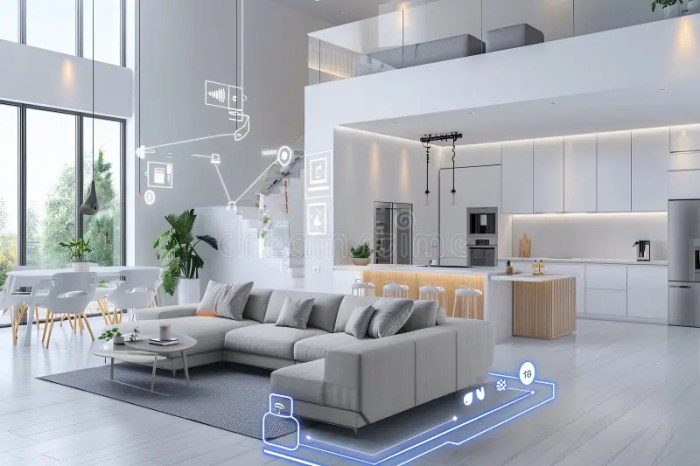
Implementing smart home solutions offers numerous advantages that can significantly enhance daily living. From improved convenience to energy savings, the benefits of adopting smart technology are compelling and can lead to a better quality of life.One of the most notable advantages is convenience. Smart home devices allow for effortless control over a variety of functions using a single interface, such as a mobile app or voice commands.
This means that users can easily manage their lighting, temperature, security, and entertainment systems without having to interact with multiple devices individually. For busy families, this level of simplicity can be a game changer.In addition to convenience, smart homes contribute to energy savings. Smart thermostats, for instance, can learn the household’s daily routines and adjust heating or cooling accordingly, reducing wasted energy.
Similarly, smart lighting systems can turn off lights automatically when a room is unoccupied. These energy-efficient practices not only lower utility bills but also promote more sustainable living. Enhanced security is another significant advantage. Smart security systems provide real-time monitoring and alerts, allowing homeowners to keep a watchful eye on their property, even when they are away. Features such as smart locks enable keyless entry and can be programmed to allow access to trusted individuals at specific times.
This level of control offers peace of mind, particularly for those with children or elderly family members.Moreover, smart homes significantly boost home automation. Tasks that once required manual effort, like adjusting the thermostat, switching off lights, or managing entertainment systems, can now be automated based on user preferences or schedules. For example, homeowners can set routines for morning and evening, where lights gradually brighten at sunrise and dim at bedtime, creating a comfortable atmosphere.Integration with home health monitoring devices is also becoming increasingly prevalent.
For elderly individuals or those with chronic conditions, smart home technology can provide critical support. Devices that monitor health metrics, send reminders for medication, or alert caregivers in case of an emergency are invaluable for maintaining independence while ensuring safety.Lastly, the flexibility of smart home systems allows for customization based on individual needs and preferences. Users can choose which devices to integrate and how they interact, creating a personalized experience that enhances daily living.
This adaptability ensures that as technology evolves, homeowners can easily upgrade or expand their smart home capabilities.In summary, the advantages of implementing smart home solutions extend beyond mere convenience. By embracing this technology, homeowners can enjoy a more efficient, secure, and comfortable living environment.
Challenges and Concerns Associated with Smart Home Technology
While the benefits of smart home technology are substantial, there are also significant challenges and concerns that potential users must consider. These issues range from privacy and security risks to the complexity of managing multiple devices. Privacy concerns are at the forefront of the discussion regarding smart home technology. Many smart devices collect and store vast amounts of personal data, including usage habits and preferences.
This information, if mishandled, poses risks of unauthorized access and data breaches. Homeowners must be aware of who has access to their data and how it is being used. It is crucial to choose devices from reputable manufacturers that prioritize data security and transparency. Cybersecurity threats are another pressing concern. Smart homes are increasingly targeted by hackers, as vulnerabilities in devices can be exploited to gain unauthorized access.
For example, compromised security cameras can provide intruders with live feeds of the home, while hacked smart locks can allow unauthorized entry. To mitigate these risks, users should ensure that their devices are protected with strong passwords and regularly updated software.Furthermore, the complexity of managing multiple devices can be overwhelming for some users. A smart home often consists of various devices from different manufacturers, each with its own app and ecosystem.
This fragmentation can lead to compatibility issues and a lack of cohesive control. Homeowners may find it challenging to navigate through multiple platforms, diminishing the convenience that smart technology is meant to provide.Additionally, there is the potential for technical malfunctions. Like any technology, smart home devices can experience glitches or failures. A malfunctioning thermostat may lead to uncomfortable temperatures, while a faulty security system can create vulnerabilities.
Regular maintenance and troubleshooting may be required, adding an extra layer of responsibility for homeowners.Another concern is the cost implications of setting up a smart home. While some devices are relatively affordable, creating a fully integrated system can be costly. Homeowners need to consider not only the initial investment but also ongoing costs associated with maintenance, upgrades, or subscription services that some devices require.Lastly, there are accessibility issues for certain demographics, particularly the elderly or individuals with disabilities.
While smart home technology can enhance their quality of life, there may be a learning curve, making it less accessible for those less familiar with technology. Ensuring that these systems are user-friendly and intuitive is essential for fostering inclusivity.In summary, while smart home technology offers numerous advantages, it is essential to be aware of the associated challenges. By understanding these concerns and taking appropriate measures, homeowners can make informed decisions that enhance their living environment while safeguarding their privacy and security.
The Future Trends of Smart Home Innovations
As technology continues to advance, the future of smart homes is poised for exciting innovations that will redefine the way we interact with our living spaces. Emerging technologies and trends are set to shape this evolution, creating even smarter, more efficient, and user-friendly environments.One of the most significant trends is the integration of artificial intelligence (AI). AI-driven devices are becoming increasingly capable of learning user behaviors and preferences, allowing them to anticipate needs and automate tasks accordingly.
For example, smart thermostats equipped with AI can analyze historical data to optimize heating and cooling schedules, ensuring maximum comfort while minimizing energy consumption. This level of intelligence will lead to homes that are not just reactive but proactive in meeting the needs of their inhabitants.Another emerging trend is the focus on sustainability. As environmental awareness grows, smart home technology is evolving to support eco-friendly practices.
Smart energy management systems, for example, will enable homeowners to monitor energy usage in real time, allowing them to make informed decisions about their consumption. Additionally, innovations in solar energy integration and energy storage systems will allow homes to become more self-sufficient and reduce their carbon footprint. Voice control technology will continue to advance, becoming even more sophisticated and capable of understanding natural language commands.
This will make it easier for users to interact with their smart home devices without needing to navigate complex menus or apps. The seamless integration of voice assistants into daily routines will further enhance convenience and accessibility for all users.The concept of interoperability among devices is also expected to gain traction. As more manufacturers collaborate and adhere to common standards, the compatibility between different smart devices will improve.
This will allow users to mix and match products from various brands, creating a more cohesive and flexible smart home ecosystem.Moreover, the rise of 5G technology will revolutionize smart home connectivity. With faster and more reliable internet speeds, devices will be able to communicate instantly, enabling real-time responses and automation. This will enhance the functionality of smart home devices, allowing for more complex interactions and integrations.Finally, home health monitoring technology will play a crucial role in the future of smart homes.
With an aging population, there is a growing demand for solutions that support independent living for seniors and individuals with health conditions. Smart home devices that monitor health metrics, provide reminders for medication, and alert caregivers in case of emergencies will become more prevalent, ensuring safety and well-being.In conclusion, the future of smart home innovations is bright, driven by advancements in AI, sustainability, voice control, interoperability, and connectivity.
These trends will not only enhance the functionality of smart homes but will also create environments that cater to the evolving needs and preferences of users, making everyday life more convenient, efficient, and enjoyable.
User Experience and Accessibility in Smart Homes
Smart home technology has the potential to significantly improve the quality of life for various demographics, particularly the elderly and disabled. By fostering independence, enhancing safety, and providing ease of use, smart home solutions can create a more inclusive living environment.For elderly individuals, smart home technology can offer increased safety and security. Smart security systems, including cameras and motion sensors, allow seniors to monitor their homes in real-time, providing peace of mind for both them and their families.
Additionally, smart locks enable keyless entry, ensuring that seniors do not have to struggle with traditional keys, which can pose challenges for those with limited dexterity.The integration of health monitoring devices can also play a crucial role in supporting elderly users. Wearable devices that track vital signs or smart home systems that remind users to take medication can help seniors maintain their health and wellness.
For example, smart pill dispensers can alert users when it’s time to take their medication, reducing the risk of missed doses and promoting better health management.Furthermore, smart home technology enhances daily living by enabling automation for routine tasks. For instance, seniors can set schedules for smart lighting to brighten rooms at specific times or use smart thermostats to maintain comfortable temperatures without manual adjustments.
These features contribute to a higher quality of life by reducing the physical effort required for tasks that may become challenging with age.Accessibility is a crucial factor in the design of smart home technology. Many manufacturers are prioritizing user-friendly interfaces and voice-controlled systems to ensure that individuals of all ages and abilities can utilize these devices effectively. For those with physical disabilities or cognitive impairments, voice activation offers a hands-free option for managing their home environment, making technology more approachable and less intimidating.Moreover, customization options allow users to tailor their smart home systems to meet their specific needs.
For example, families can set up personalized routines that cater to the unique requirements of elderly relatives or individuals with disabilities. This adaptability ensures that technology is not a one-size-fits-all solution but rather a versatile tool that enhances the living experience for all users.In addition to physical benefits, smart home technology can also have a positive impact on the emotional well-being of users.
By fostering a sense of independence and control over their environment, seniors and individuals with disabilities can experience reduced feelings of isolation and increased confidence. Social engagement can also be enhanced through smart devices that facilitate communication with loved ones, allowing for video calls or reminders to connect regularly.In summary, smart home technology serves as a valuable ally in improving the quality of life for various demographics, particularly the elderly and disabled.
By enhancing safety, promoting independence, and prioritizing accessibility, smart homes can create inclusive environments that cater to the diverse needs of their occupants.
Smart Home Devices: A Comprehensive Overview
Smart home devices come in various categories, each designed to enhance specific aspects of daily living. Understanding the different types of devices and their functionalities is essential for anyone looking to create a smart home environment. Smart Speakers: These devices serve as the central control hub for many smart home systems. Equipped with voice assistants like Amazon Alexa or Google Assistant, smart speakers allow users to control other connected devices, play music, set reminders, and answer queries.
Popular models include the Amazon Echo and Google Nest Audio. Smart Thermostats: These devices learn user preferences and adjust heating and cooling systems accordingly. They can be controlled remotely via smartphone apps, enabling users to optimize energy usage and save on utility bills. Notable examples include the Nest Learning Thermostat and Ecobee SmartThermostat. Smart Lighting: Smart bulbs and lighting systems offer customizable brightness, color, and scheduling options.
Users can control their lights remotely, set routines, and even create ambiance for different occasions. Popular products include Philips Hue and LIFX smart bulbs. Smart Security Cameras: These devices provide real-time monitoring of the home, either indoors or outdoors. Users can receive alerts and view live feeds through their smartphones. Cameras like the Ring Video Doorbell and Arlo Pro are widely recognized for their features and reliability.
Smart Locks: Smart locks enhance home security by allowing keyless entry and remote access control. Users can send virtual keys to trusted individuals and monitor access logs. Brands like August and Schlage offer popular smart lock options. Smart Appliances: This category includes refrigerators, ovens, and washing machines that connect to the internet. They allow users to monitor and control household tasks remotely.
For instance, smart refrigerators can track inventory and suggest recipes based on available ingredients. Smart Plugs: These devices enable users to control traditional appliances remotely by turning them on or off via a smartphone app. Smart plugs can also be programmed to operate on schedules, enhancing energy efficiency. Smart Sensors: Various sensors, including motion sensors, door/window sensors, and water leak detectors, help enhance home security and safety.
These devices can send alerts to users when unusual activity is detected or when environmental conditions change. Smart Home Hubs: These central devices connect and control multiple smart devices, allowing for seamless integration and automation. Hubs such as Samsung SmartThings and Wink Hub enable interoperability among devices from different manufacturers. Smart TVs: These televisions come equipped with internet connectivity and built-in streaming services, allowing users to access content without additional devices.
Brands like Samsung and LG offer advanced smart TVs with voice control capabilities.In conclusion, the wide variety of smart home devices offers solutions for enhancing convenience, security, and energy efficiency in the home. By selecting the right combination of devices, homeowners can create a personalized smart home environment tailored to their needs.
Cost Implications of Smart Home Upgrades
Investing in smart home technology involves various cost considerations, both in terms of initial setup and potential long-term savings. Understanding these financial implications is crucial for homeowners looking to transition to a smart home. Initial Setup Costs: The cost of setting up a smart home can vary significantly based on the number and type of devices chosen. Basic smart devices, such as smart bulbs and plugs, can be relatively affordable, costing as little as $10 to $50 each.
However, more advanced devices like smart security cameras or thermostats can range from $100 to $300 or more. Homeowners should carefully assess which devices best meet their needs and budget accordingly. Professional Installation: Depending on the complexity of the system, homeowners may choose to hire professionals for installation. This can add to the overall cost, especially for integrated systems that require specialized knowledge.
Installation fees can vary, ranging from a few hundred to several thousand dollars, depending on the scale of the project. Ongoing Subscription Fees: Some smart home devices come with subscription services that enhance their functionality. For example, cloud storage for security camera footage or smart home monitoring services might incur monthly fees. Homeowners should factor these ongoing costs into their budgets, as they can add up over time.
Potential Long-Term Savings: While the initial investment in smart home technology can be significant, many users find that it leads to substantial long-term savings. Smart thermostats and lighting systems, for instance, can help reduce energy consumption, resulting in lower utility bills. Some studies suggest that homeowners can save anywhere from 10% to 30% on energy costs by optimizing their usage through smart technology.
Insurance Discounts: Another potential financial benefit of smart home upgrades is the possibility of lower homeowner’s insurance premiums. Many insurance companies offer discounts for homes equipped with smart security systems, as they reduce the risk of theft and damage. Homeowners should check with their insurance providers to explore available discounts. Increased Home Value: Installing smart home technology can also increase the overall value of a property.
As smart home features become more desirable, prospective buyers may be willing to pay a premium for homes that are equipped with modern technology. This investment can pay off if homeowners decide to sell their property in the future.In conclusion, while the costs associated with setting up a smart home can be substantial, the potential long-term savings and benefits make it a worthwhile investment.
Homeowners should carefully evaluate their budgets and consider the financial implications of smart home upgrades to make informed decisions that align with their goals.
Case Studies of Successful Smart Home Implementations
The implementation of smart home technology has proven beneficial in various real-world applications, showcasing how innovative solutions can enhance lifestyle and efficiency. Here are several notable case studies that illustrate the impact of smart homes.One compelling example is the Case of the Johnson Family, who integrated smart technology to accommodate their busy lifestyle. By installing a smart thermostat, they were able to track and optimize their energy usage.
The thermostat learned their routines and automatically adjusted heating and cooling based on occupancy. As a result, the Johnsons reported a 25% reduction in their monthly energy bills, translating into significant savings over the year.The Johnsons also implemented a smart lighting system, allowing them to create schedules and control lights remotely. This feature not only enhanced convenience but also improved security by allowing them to simulate occupancy when they were away.
The family felt a greater sense of safety and peace of mind, knowing they could monitor their home in real-time.Another successful implementation is seen in urban apartment complexes that have adopted smart technology to enhance tenant experiences. For example, a newly constructed high-rise in downtown Los Angeles integrated a comprehensive smart home solution for each unit. Tenants can control lighting, temperature, and security systems through a centralized app, streamlining their daily routines.
This initiative has not only improved tenant satisfaction but also increased occupancy rates. Potential renters are drawn to the convenience and modern amenities that smart technology provides. The property management reported a 15% increase in lease signings since adopting these smart home features, demonstrating the appeal of integrated technology in urban living.A third case study involves a senior living community that embraced smart home technology to assist its residents.
The community implemented a range of devices, including smart health monitoring systems that track vital signs and medication reminders. Staff members receive alerts if any resident is experiencing health issues, allowing for timely intervention.Residents reported feeling more independent and secure in their homes, knowing that help was just a call away if needed. The incorporation of smart technology also attracted new residents, as family members appreciated the added safety and support for their loved ones.Lastly, the City of San Diego launched a pilot program to transform public housing units with smart home technology.
The project aimed to reduce energy consumption and improve living conditions for low-income families. By installing smart thermostats and energy-efficient appliances, the city managed to reduce utility costs for participating families by an average of 30%.This initiative not only provided financial relief but also educated residents about sustainable practices. As a result, residents became more engaged in energy conservation efforts, fostering a community culture centered around sustainability and efficiency.In conclusion, these case studies highlight the diverse applications and benefits of smart home technology across different demographics and settings.
By enhancing convenience, security, and efficiency, smart homes can significantly improve the lives of their occupants, making them an attractive investment for homeowners and communities alike.
Final Thoughts: Smart Homes
In conclusion, Smart Homes represent the next frontier in home automation, offering not just technological advancements but also a transformative lifestyle. As emerging trends such as AI integration and sustainable practices shape the future, the importance of user experience and accessibility remains paramount. The successful implementation of smart home technologies can significantly improve quality of life, particularly for the elderly and disabled.
By understanding the cost implications and learning from real-world case studies, we can fully appreciate the incredible value that smart homes bring to our daily lives. Embrace the future and elevate your living experience with smart home technology.
Notice Retail Store Property for recommendations and other broad suggestions.
Understand how the union of Rental Houses can improve efficiency and productivity.
Enhance your insight with the methods and methods of Commercial Real Estate.