Video Effects Software has become a game-changer in the world of digital storytelling, offering creators unmatched tools to enhance their visual narratives. As technology has evolved, so too has the sophistication and accessibility of these powerful applications, enabling filmmakers, YouTubers, and content creators to transform their visions into stunning visual realities. From the early days of basic editing to today’s sophisticated software laden with artificial intelligence, the journey of video effects software is both fascinating and inspiring.
In this exploration, we will dive deep into the historical development of video effects software, comparison of available options, user interface experiences, and the vital role these tools play in modern filmmaking. We’ll provide tips and tricks for maximizing their potential, examine future trends, analyze cost-effectiveness, and highlight community resources for continuing education. This comprehensive overview aims to empower both aspiring and professional creators to leverage video effects software to its fullest.
The Evolution of Video Effects Software Over Time
The journey of video effects software is a fascinating tale marked by innovation and transformation. From the early days of film editing to the advanced digital tools we have today, video effects software has significantly evolved, revolutionizing the way visual stories are told. Initially, video effects were created through manual editing techniques, using physical film and equipment that limited creativity and flexibility.
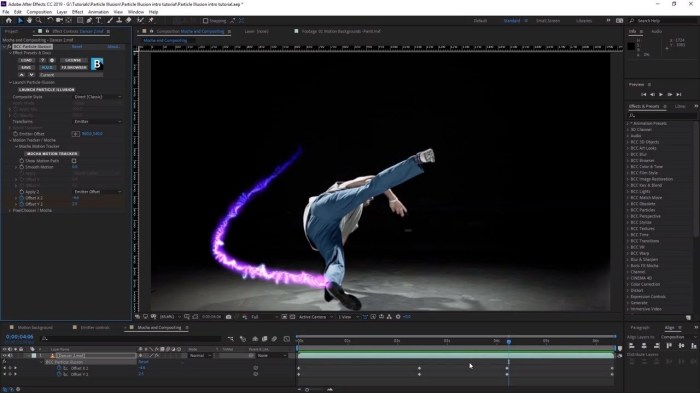
However, as technology progressed, so did the capabilities of video effects software.In the late 20th century, the introduction of digital video editing marked a turning point. Software like Adobe Premiere and Apple Final Cut Pro emerged, allowing editors to manipulate video in ways previously unimaginable. The 1990s saw the rise of specialized effects software such as Adobe After Effects, which enabled users to add intricate effects, animations, and compositing.
This period marked a significant milestone, making sophisticated visual effects accessible to both professionals and amateurs.As technology continued to advance, we witnessed the integration of high-definition video and 3D graphics, pushing the boundaries of what could be achieved. The introduction of GPU acceleration further enhanced rendering speeds, making real-time editing a reality. Software like Blackmagic Design’s DaVinci Resolve and Autodesk’s Flame emerged, catering to high-end production environments and further solidifying the role of video effects in modern filmmaking.
Today, we stand at the intersection of creativity and technology, where artificial intelligence and machine learning are starting to play a pivotal role in video effects software. Tools are becoming more intuitive and user-friendly, empowering creators at all skill levels. The evolution of video effects software reflects not just technological advancements but also changing artistic visions in storytelling, making it an exciting time for filmmakers and content creators alike.
Comparing Different Types of Video Effects Software Available in the Market
The market for video effects software is vast and varied, offering a range of options suitable for different budgets, skill levels, and project requirements. Understanding the distinctions between these tools is crucial for any aspiring video editor or filmmaker. Several categories of video effects software exist, including professional-grade applications, consumer-friendly options, and free software. Professional tools like Adobe After Effects, Nuke, and Avid Media Composer offer extensive features for advanced users and institutions.
These applications are equipped with powerful compositing, animation, and visual effects capabilities, catering to high-end production needs.On the other hand, user-friendly software such as Filmora and iMovie provides essential tools for beginners and hobbyists. While these options may not boast the extensive features of their professional counterparts, they often come with intuitive interfaces, making it easy for newcomers to jump in and start creating.For those on a budget, free software like HitFilm Express, Blender, and DaVinci Resolve’s free version provide robust tools for video effects and editing.
These applications often have a community of users who contribute tutorials and resources, enhancing the learning experience. When selecting video effects software, it is important to consider several factors:
- Skill Level: Beginners may prefer more intuitive, user-friendly software, while professionals may need advanced features for complex projects.
- Project Requirements: High-end projects may necessitate professional software, while casual projects can be accomplished with simpler tools.
- Budget: Consider whether to invest in professional software or utilize free options available in the market.
Ultimately, the choice of video effects software will depend on individual needs, goals, and the specific demands of each project.
Understanding the User Interface and Usability of Video Effects Software
The design of a video effects software interface plays a critical role in shaping the user experience. A well-thought-out user interface can make the complex process of video editing and effects application more manageable and enjoyable, particularly for beginners. Usability is key in determining how easily users can navigate the software and access its features. Some popular software options like Adobe After Effects and Final Cut Pro have interfaces that are rich in features but may pose challenges for those unfamiliar with advanced editing techniques.
These programs often prioritize functionality over simplicity, which can be overwhelming for novice users.In contrast, software like Filmora and Camtasia focuses on user-friendly interfaces. They typically include drag-and-drop functionality, easy access to effects, and straightforward timelines, making them more accessible for those just starting out. These tools often come with built-in tutorials, guiding users through the editing process.User-friendly interfaces often feature:
- Intuitive Navigation: Clear menus and toolbars that are easy to understand.
- Customizable Workspaces: Allowing users to arrange their interface according to their workflow preferences.
- Responsive Support: Access to help sections or community forums for troubleshooting.
However, users of more complex software must often invest time in learning the interface through practice or tutorials. As software continues to develop, the focus on improving usability will likely shape the next generation of video effects tools, making them increasingly accessible to all users.
The Role of Video Effects Software in Modern Filmmaking
Video effects software has profoundly transformed the filmmaking landscape, revolutionizing how stories are told and experienced on screen. This transformation is evident in both independent films and major blockbusters, where visual effects enhance narrative depth and emotional engagement.The integration of video effects allows filmmakers to create visually stunning scenes that would be impossible to capture through traditional filming methods. Techniques such as compositing, motion graphics, and color grading are now standard in the production pipeline.
For instance, films like “Avatar” and “The Avengers” showcase how visual effects can create immersive worlds and complex action sequences, captivating audiences and pushing the limits of storytelling.Independent filmmakers also benefit from the advances in video effects software. With tools like DaVinci Resolve and HitFilm Express, creators can produce high-quality visuals without the extensive budgets required for large studios. The affordability and accessibility of these tools empower filmmakers to realize their creative visions, often leading to innovative and unique storytelling.Moreover, video effects software has democratized filmmaking.
Anyone with a computer can now create professional-quality content, leading to an influx of diverse voices and stories in the industry. Social media platforms have further amplified this trend, allowing creators to share their work with global audiences.Notable examples abound where video effects software has made a significant impact. The film “Gravity” utilized cutting-edge visual effects to create a realistic portrayal of space, earning accolades for its innovative technique.
Similarly, “Inception” employed intricate visual effects to manipulate perceptions of reality, demonstrating the storytelling potential of these tools.In conclusion, the influence of video effects software on modern filmmaking cannot be overstated. It has opened new avenues for creativity, allowing filmmakers to craft narratives that engage and inspire, ultimately reshaping the cinematic landscape.
Tips and Tricks for Maximizing the Use of Video Effects Software
To fully leverage the capabilities of video effects software, users can benefit from a series of practical tips and tricks that enhance their editing workflow and productivity. Both beginners and advanced users can adopt these strategies to improve their editing experience and output quality.Firstly, understanding keyboard shortcuts can dramatically accelerate the editing process. Most software offers customizable shortcuts for frequently used tools.
Here are some general tips to keep in mind:
- Familiarize Yourself with Shortcuts: Learn and practice key shortcuts to reduce editing time.
- Organize Your Assets: Keep your files and assets organized within the software for easier access.
- Utilize Presets: Save time by using or creating presets for frequently used effects and transitions.
Additionally, avoiding common mistakes can help ensure a smoother editing process:
- Don’t Overcomplicate: Keep effects consistent and avoid overusing them, which can detract from the final product.
- Regularly Save Your Work: Prevent loss of progress by frequently saving your project files.
- Use High-Quality Assets: Ensure that the footage and images used are of high quality to avoid pixelation and poor results.
Best practices also play a crucial role in effective editing:
- Plan Your Edits: Artikel your project to help structure your editing process.
- Review and Revise: Don’t hesitate to revisit and revise your work for improvements.
- Seek Feedback: Share your work with peers for constructive criticism and new ideas.
By applying these tips and strategies, users can maximize their efficiency and creativity in video effects software, resulting in polished and engaging video projects.
Future Trends in Video Effects Software Development
The future of video effects software is being shaped by rapid advancements in technology, particularly artificial intelligence (AI) and machine learning. These emerging technologies are expected to revolutionize how users create and implement visual effects in their projects, offering new tools and capabilities that enhance both creativity and efficiency.AI-powered features are increasingly becoming integrated into software, allowing for automated tasks such as object tracking, color correction, and even scene generation.
For example, AI can analyze video footage and suggest enhancements, making the editing process quicker and more intuitive. As these technologies develop, they are likely to reduce the learning curve associated with complex visual effects, making it easier for beginners to produce high-quality content.Moreover, machine learning algorithms can learn from user behaviors and preferences, leading to more personalized experiences within the software.
This adaptability could result in interfaces that evolve based on individual user workflows, streamlining the editing process.However, as with any technological advancement, challenges will emerge. One concern is that reliance on AI tools may stifle creativity, as users might lean too heavily on automated suggestions rather than developing their artistic skills. Additionally, there will be ongoing discussions about the ethical implications of AI in content creation, including issues of copyright and originality.Despite these challenges, the opportunities presented by future trends are significant.
As video effects software becomes more advanced and user-friendly, we can expect a new generation of creators to emerge, pushing the boundaries of storytelling. This democratization of creativity will lead to diverse content that reflects a broader range of perspectives and ideas.In conclusion, the intersection of technology and creativity in video effects software presents exciting possibilities for filmmakers and content creators.
As the landscape continues to evolve, it invites us to imagine a future where storytelling is limited only by our imagination.
Analyzing the Cost vs. Benefit of Professional Video Effects Software
When considering professional video effects software, it’s essential to evaluate the costs associated with these tools alongside the benefits they provide. High-end software typically comes with a significant price tag, but understanding the return on investment (ROI) can help filmmakers and creators make informed decisions.Professional video effects software like Adobe After Effects, Nuke, and Avid Media Composer often requires substantial upfront costs.
These applications may charge monthly or annual subscription fees, which can add up over time. However, the features and capabilities offered by these tools are designed for advanced users, providing extensive functionalities that can elevate the quality of any project.The benefits of investing in professional software include:
- Advanced Features: High-end software provides cutting-edge tools for visual effects, animation, and compositing, enabling creators to produce industry-standard content.
- Support and Updates: Professional software typically includes customer support and regular updates, ensuring users have access to the latest technology and features.
- Collaboration Tools: Many professional tools are designed for team collaboration, making it easier for multiple users to work on the same project.
To facilitate a clearer understanding, here’s a comparative table of some popular professional video effects software, outlining their features, pricing, and overall value:
| Software | Key Features | Pricing | Overall Value |
|---|---|---|---|
| Adobe After Effects | Motion graphics, visual effects, extensive plugins | Monthly subscription or annual plan | Excellent for professionals |
| Nuke | Node-based compositing, 3D workspace | High one-time cost or subscription model | Industry standard for visual effects |
| DaVinci Resolve | Color grading, editing, visual effects | Free version available, paid version at a competitive price | Great value for both beginners and professionals |
Ultimately, the choice to invest in professional video effects software should consider the potential for enhanced creativity, productivity, and project quality. For filmmakers and creators, the right tools can lead to significant advancements in their work, making the investment worthwhile.
Community and Resources for Learning Video Effects Software
Learning to navigate video effects software can be a daunting task, but the existence of active communities and resources can significantly enhance the process. Engaging with others who share similar interests not only provides valuable information but also fosters creativity and collaboration.Numerous online forums, social media groups, and educational platforms offer support to users at all skill levels. Forums such as Reddit’s r/videography or creative communities like Creative COW provide spaces for users to ask questions, share experiences, and exchange tips.
Additionally, platforms like YouTube and LinkedIn Learning host a wealth of tutorials and courses that cater to various aspects of video effects software.Collaboration and peer feedback are crucial in skill enhancement. By participating in community discussions, users can gain insights from experienced professionals and learn about best practices. This exchange of knowledge is invaluable, especially for newcomers looking to improve their craft.For those interested in diving deeper, here’s a list of recommended resources:
- YouTube Channels: Search for channels dedicated to tutorials on specific software.
- Online Courses: Platforms like Udemy and Coursera offer structured courses ranging from beginner to advanced levels.
- Facebook Groups: Join groups focused on video editing and effects to connect with fellow enthusiasts.
In conclusion, the community surrounding video effects software serves as a vital resource for learning and growth. By tapping into these networks, users can enhance their skills, gain confidence, and ultimately produce more compelling visual stories.
Last Recap
In conclusion, the impact of Video Effects Software on the creative world is undeniable, making it an essential tool for anyone looking to push the boundaries of imagination. By understanding the evolution, features, and future developments of these software solutions, creators can elevate their work to new heights. Whether you are a seasoned filmmaker or a newbie in the realm of video editing, embracing the right video effects software can significantly enhance your storytelling and creative expression.
Obtain access to Pet Food and Pet Supplies to private resources that are additional.
Check Gym and Fitness Products to inspect complete evaluations and testimonials from users.
Explore the different advantages of Kitchen Utensils that can change the way you view this issue.