DeFi (Decentralized Finance) Tools are transforming the financial landscape, offering innovative solutions that empower users to take control of their financial assets. As the world evolves, so do these dynamic tools, enabling seamless financial transactions without the need for traditional intermediaries. With technological advancements paving the way, the DeFi space has witnessed a surge of powerful tools that enhance accessibility and efficiency in financial services.
From smart contracts that automate processes to user-friendly wallets that simplify asset management, DeFi tools are designed with the end-user in mind. Over the past few years, notable platforms have emerged, revolutionizing how we interact with finance, making it more inclusive and decentralized. This evolution is not just about technology; it’s about creating a system that prioritizes user autonomy and innovation.
The Evolution and Current State of DeFi Tools
Decentralized Finance (DeFi) has emerged as a revolutionary force in the financial landscape, transforming traditional finance through blockchain technology. Its beginnings can be traced back to Bitcoin’s inception in 2009, which introduced the concept of a decentralized currency. However, it wasn’t until the advent of Ethereum in 2015, which enabled smart contracts, that the foundations for DeFi tools were firmly established.
These tools have evolved significantly over time, driven by technological advancements and the growing demand for financial inclusivity and transparency.The evolution of DeFi tools has been marked by their increasing sophistication and usability. Initially, DeFi consisted of simple lending and borrowing platforms, such as MakerDAO, which allows users to lock collateral and generate stablecoins. As the ecosystem matured, new tools emerged to facilitate a wider array of financial services, including decentralized exchanges (DEXs), yield farming, and synthetic assets.
The rise of automated market makers (AMMs) and liquidity pools further diversified the DeFi landscape, enabling users to trade and earn passive income by providing liquidity to various protocols.
Impact of Technological Advancements
Technological advancements have been pivotal in shaping the development of DeFi tools. The introduction of Layer 2 scaling solutions, such as Optimistic Rollups and zk-Rollups, significantly enhanced transaction speeds and reduced fees, making DeFi more accessible. Furthermore, innovations in security protocols, such as multi-signature wallets and decentralized insurance platforms, have provided users with greater confidence and protection against vulnerabilities.In the past five years, several notable DeFi tools have emerged, exemplifying the rapid growth and innovation within the space.
Discover more by delving into What trends are shaping the future of electronic promos further.
These tools have not only expanded the functionality of DeFi but have also captured the attention of mainstream investors. Some exceptional examples include:
- Aave: A decentralized lending protocol that allows users to lend and borrow a variety of cryptocurrencies with variable or stable interest rates.
- Uniswap: A leading DEX that revolutionized trading through its AMM model, enabling users to swap tokens directly from their wallets without intermediaries.
- Compound: A protocol that allows users to earn interest on their crypto holdings by lending to others, fostering a new approach to earning passive income.
- Yearn.finance: A yield aggregator that optimizes the return on assets by automatically shifting funds between various lending protocols.
- Synthetix: A platform that facilitates the trading of synthetic assets, allowing users to gain exposure to traditional assets like stocks and commodities on the blockchain.
The development of these tools has not only increased participation in the DeFi ecosystem but has also inspired a wave of creativity and competition. As a result, users benefit from a diverse range of financial products that were previously unavailable or restricted to a select few. The pace of innovation in DeFi tools continues to accelerate, pushing the boundaries of what is possible in the realm of finance while fostering a more decentralized and inclusive financial system for all.
Key Components of DeFi Tools and Their Functions: DeFi (Decentralized Finance) Tools
Decentralized Finance (DeFi) is transforming the financial landscape by leveraging blockchain technology to create an open and inclusive financial system. At the heart of this innovation are several key components that function cohesively to facilitate seamless financial transactions without intermediaries. Understanding these components is essential for anyone looking to navigate the DeFi ecosystem.Smart contracts are the backbone of DeFi tools, operating as self-executing agreements written in code.
They automatically enforce the terms of a contract when predetermined conditions are met. This eliminates the need for intermediaries, reducing both costs and the potential for human error. Smart contracts are essential in various applications, from lending and borrowing platforms to decentralized exchanges (DEXs). Their transparency and security make them a trusted solution for executing complex financial transactions.
Protocols and Their Interactions
Protocols serve as the frameworks that govern the interactions between different DeFi applications. These guidelines ensure that various platforms can communicate with each other, creating an interconnected ecosystem. The modular nature of DeFi protocols enables developers to build on existing platforms, fostering innovation and collaboration.The interaction between smart contracts and protocols is crucial in maintaining the integrity of all operations within DeFi.
For instance, a lending protocol might utilize smart contracts to facilitate loans, allowing users to deposit collateral, receive funds, and repay loans without any manual intervention. This functionality is often enhanced by liquidity protocols that ensure sufficient funds are available for transactions, creating a fluid and efficient marketplace for users.
Wallets and User Experience
DeFi wallets are essential tools for users to engage with DeFi platforms. Unlike traditional wallets, DeFi wallets enable users to hold, send, and receive cryptocurrencies while maintaining control over their private keys. This empowers users with greater security and autonomy over their funds.The user experience when utilizing DeFi tools is designed to be intuitive yet robust. Users can connect their wallets to various applications seamlessly, enabling them to participate in lending, staking, and trading activities within moments.
The interface typically presents clear information about available assets, transaction fees, and potential risks, allowing users to make informed decisions.In addition, the rise of decentralized applications (dApps) has enhanced user engagement by providing interactive platforms that allow for real-time feedback and updates. This integration of advanced features, including analytics dashboards and customizable alerts, makes the DeFi experience not only user-friendly but also highly efficient.
“The combination of smart contracts, protocols, and wallets creates a powerful framework for decentralized finance, changing how we perceive and interact with money.”
Comparisons of Popular DeFi Tools in the Market
Decentralized finance (DeFi) tools have revolutionized the way individuals interact with financial services, providing alternatives to traditional banking systems. As the DeFi ecosystem continues to expand, users are faced with an abundance of tools that serve different purposes. Understanding the features, advantages, and drawbacks of these tools is essential for making informed choices.DeFi tools can be diverse, ranging from decentralized exchanges (DEXs) to lending protocols and yield farming platforms.
In this comparison, we will examine three popular DeFi tools: Uniswap, Aave, and Compound. Each tool offers unique features and capabilities that cater to different user preferences and financial strategies.
Comparison of Uniswap, Aave, and Compound
The following table highlights the key differences among Uniswap, Aave, and Compound, focusing on their user interfaces, transaction fees, and supported assets:
| Feature | Uniswap | Aave | Compound |
|---|---|---|---|
| User Interface | Intuitive, easy to navigate with a focus on liquidity pools | Advanced, providing detailed analytics for lending and borrowing | Simple, focused on asset management and borrowing |
| Transaction Fees | Variable based on network congestion, generally lower for trades | 0.25% fee on borrowed amounts, plus potential liquidity premiums | 0.25% fee on borrowed amounts |
| Supported Assets | Wide variety of ERC-20 tokens | Major cryptocurrencies including DAI, USDC, ETH, and many others | Focus on ERC-20 tokens, including stablecoins and major assets |
Uniswap is renowned for its user-friendly interface, which simplifies the process of swapping ERC-20 tokens. Users can easily add liquidity to pools, and the platform has gained popularity due to its low transaction fees during times of low network congestion. However, as network traffic increases, fees can rise significantly, making trading more costly.Aave stands out due to its lending and borrowing capabilities.
Users can earn interest on deposits while borrowing assets against their collateral. Aave employs an advanced user interface that provides real-time analytics, appealing to more experienced users looking for detailed insights. However, the complexity of its features may deter newcomers to the DeFi space.Compound focuses primarily on asset management, allowing users to lend and borrow various cryptocurrencies. Its straightforward interface is user-friendly, making it easy for individuals to understand the lending process.
While it shares the same borrowing fees as Aave, it may not offer the same range of assets, limiting options for some users.User preferences in the DeFi space tend to fluctuate based on individual financial goals. Traders often gravitate towards Uniswap for its rapid asset swapping capabilities, while those looking for yield through lending may prefer Aave or Compound. Trends suggest a growing interest in multi-functional platforms that combine trading, lending, and staking options, indicating a shift towards more integrated DeFi solutions.In summary, each DeFi tool has its distinct features, advantages, and drawbacks.
Users should carefully consider their financial objectives and risk tolerance when selecting a DeFi platform that aligns with their needs.
The Role of Security in DeFi Tools
The decentralized finance (DeFi) landscape has witnessed an explosive growth, attracting users with the promise of high returns and financial freedom. However, this burgeoning ecosystem is not without its pitfalls, particularly concerning security. As DeFi tools evolve, they face unique vulnerabilities that can lead to significant financial loss if not addressed. Understanding the role of security in DeFi is crucial for users looking to engage with these innovative financial solutions.DeFi tools, which enable users to lend, borrow, trade, and earn on their crypto assets without intermediaries, operate on smart contracts and decentralized protocols.
However, their complexity introduces multiple security challenges. Common vulnerabilities include code bugs, smart contract exploits, and insufficient auditing processes. Hackers often target DeFi platforms for their liquidity pools, where large amounts of assets are held, making them lucrative targets.
Common Security Vulnerabilities and Best Practices
To safeguard assets in the DeFi space, users must be proactive and adopt best practices to mitigate risks. Here are key security measures to consider:
- Use Multi-Signature Wallets: Multi-signature wallets require multiple approvals before any transaction is executed, adding an additional layer of security against unauthorized access.
- Conduct Thorough Research: Before using any DeFi tool, examine the project’s whitepaper, community feedback, and the history of its developers. This due diligence can help identify potential risks.
- Enable Two-Factor Authentication (2FA): Whenever possible, enable 2FA on accounts to add an extra layer of security beyond just a password.
- Stay Updated: Regularly follow updates from the DeFi tools you use, as security patches and vulnerability disclosures can significantly impact your asset safety.
- Utilize Hardware Wallets: For long-term storage, hardware wallets provide a secure method of storing your cryptocurrencies offline, reducing exposure to online threats.
Notable security incidents have underscored the importance of these practices. For instance, the Poly Network hack in 2021 saw hackers exploit a vulnerability leading to the theft of over $600 million in assets. Although the funds were eventually returned, the incident highlighted the need for robust security measures and continuous improvement in smart contract auditing processes.
“In the world of DeFi, security is not just an option; it’s a necessity.”
By being aware of common vulnerabilities and implementing best practices, users can significantly enhance the security of their assets in the DeFi ecosystem, ensuring a safer financial experience.
The Future of DeFi Tools and Emerging Trends
The decentralized finance (DeFi) landscape is rapidly evolving, propelled by innovation and a growing user base seeking alternatives to traditional financial systems. As we look towards the future, several key developments and trends are poised to shape DeFi tools, influenced by emerging technologies and regulatory shifts.
Emerging Technologies in DeFi
The integration of advanced technologies is set to revolutionize the DeFi ecosystem. One of the most anticipated advancements is the adoption of artificial intelligence (AI) and machine learning (ML). These technologies can provide enhanced analytics, risk assessment, and automated trading strategies, allowing users to optimize their investment decisions and minimize losses.Furthermore, cross-chain interoperability is becoming increasingly vital, enabling seamless interactions between various blockchain networks.
This development will facilitate greater liquidity and accessibility, allowing users to move assets easily across different DeFi platforms. Protocols such as Polkadot and Cosmos are leading the charge in creating interconnected ecosystems, fostering a more unified DeFi experience.The rise of non-fungible tokens (NFTs) also presents exciting opportunities for DeFi. NFTs can be integrated into various financial products, such as collateralized loans, where unique digital assets can secure financing.
This expands the potential use cases for NFTs and attracts a broader audience into the DeFi space.
Impact of Regulatory Changes
Regulatory frameworks will play a crucial role in shaping the future of DeFi tools. As governments worldwide develop policies to govern cryptocurrencies and DeFi platforms, these regulations could establish a safer environment for users while also promoting innovation.For instance, clarity around taxation and compliance requirements can foster trust and encourage institutional investors to enter the DeFi space. However, overly stringent regulations could stifle innovation and drive projects away from jurisdictions that impose strict rules.
The balance between fostering innovation and ensuring user protection will be critical as the regulatory landscape evolves.
Upcoming Trends in the DeFi Landscape
The future of DeFi will be marked by several key trends that will undoubtedly reshape the industry:
- Decentralized Identity Solutions: The development of self-sovereign identity (SSI) solutions will enhance user privacy and security, streamlining onboarding processes across DeFi platforms.
- Institutional Adoption: More traditional financial institutions are exploring DeFi integrations, which could legitimize the space and introduce new capital.
- Enhanced User Experience: The focus on user-friendly interfaces and simplified processes will attract a more extensive user base unfamiliar with blockchain technologies.
- Yield Aggregation Strategies: Enhanced yield farming strategies will emerge, enabling users to maximize returns by dynamically allocating assets across various liquidity pools.
- Social Trading Platforms: The rise of platforms that facilitate social trading will allow users to follow and replicate the strategies of successful traders, democratizing access to expert knowledge.
As the DeFi landscape continues to mature, these trends and technological advancements will contribute to a more robust, secure, and user-friendly ecosystem, signaling a promising future for decentralized finance.
Case Studies of Successful DeFi Tool Implementations
Decentralized Finance (DeFi) tools have transformed various sectors by enabling innovative financial solutions that enhance efficiency and accessibility. The following case studies illustrate successful implementations of DeFi tools across different industries, emphasizing their impact and the benefits realized by users.
Real Estate Tokenization
One of the most innovative applications of DeFi tools is the tokenization of real estate assets. A notable example is the collaboration between a leading real estate firm and a blockchain platform, which allowed for fractional ownership of high-value properties through token issuance. By tokenizing properties, the firm enabled small investors to buy shares of real estate that were previously unattainable due to high entry costs.
The implementation led to remarkable outcomes:
Improved liquidity
The tokens were listed on decentralized exchanges, allowing investors to trade them easily, which increased overall market participation.
Cost reduction
Traditional real estate transactions often involve significant fees and intermediaries. Tokenization eliminated many of these costs, making real estate investment more affordable.
Expanded investor base
The project attracted a diverse group of investors, from individuals to institutional players, democratizing access to real estate investments.In this case, the innovative use of DeFi tools not only set benchmarks in real estate investment but also illustrated the potential for increased transparency and security in property transactions through blockchain technology.
Decentralized Lending Platforms
Another successful case study involves decentralized lending platforms such as Aave and Compound, which have revolutionized the way individuals and businesses access funds. These platforms allow users to lend and borrow cryptocurrencies without the need for traditional financial institutions.Key outcomes of implementing these platforms include:
Accessibility
Anyone with an internet connection can lend or borrow, providing financial services to the unbanked population.
Competitive interest rates
Since the platforms operate on a peer-to-peer basis, borrowers often enjoy lower interest rates compared to traditional loans.
Flexible terms
Users can choose their loan terms, including collateral types and repayment schedules, offering tailored financial solutions.The integration of smart contracts ensures a secure and transparent process, significantly reducing the risks associated with traditional lending.
Supply Chain Finance Innovations, DeFi (Decentralized Finance) Tools
A noteworthy example of DeFi application in supply chain finance is the use of blockchain-based platforms like VeChain. These platforms facilitate transparent tracking of goods throughout the supply chain, allowing for real-time financing options based on verified data.The implementation of these tools has yielded several benefits:
Enhanced transparency
All stakeholders can access accurate data regarding the movement of goods, which reduces fraud and increases trust.
Streamlined financing
Suppliers can access immediate financing based on verified metrics of their goods’ movement, enhancing cash flow management.
Reduced costs
By minimizing paperwork and intermediaries, companies can significantly lower operational costs associated with financing.Through these innovative DeFi tools, supply chain finance can achieve greater efficiency and resilience, setting new industry standards.
These case studies highlight the transformative power of DeFi tools across various sectors, demonstrating their potential to create accessible, efficient, and innovative financial solutions.
The Impact of Community Governance in DeFi Tools
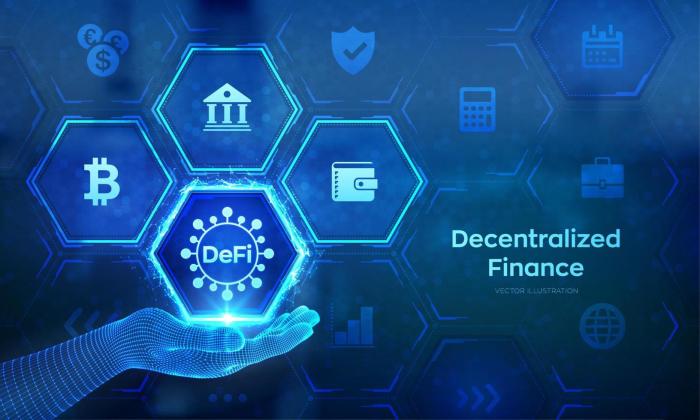
Community governance is a cornerstone of Decentralized Finance (DeFi), enabling participants to engage actively in shaping the tools and platforms they utilize. This decentralized approach empowers users to influence decisions, foster transparency, and promote a collaborative environment, leveling the playing field in financial services. By leveraging blockchain technology, DeFi platforms integrate governance mechanisms that allow token holders to vote on critical issues such as protocol upgrades, funding proposals, and strategies for ecosystem development.Decentralization fundamentally alters traditional decision-making processes.
In conventional finance, power is often concentrated in the hands of a few, leading to a lack of transparency and accountability. Conversely, in DeFi, community governance distributes authority among all stakeholders, thereby enhancing inclusivity. This collective dynamic facilitates diverse viewpoints, ensuring that project development aligns with the needs and desires of the broader user base. As users participate in governance, they become more invested in the platform, encouraging innovation and cooperation.
Browse the implementation of Ethereum Products in real-world situations to understand its applications.
Influence of Community Feedback on DeFi Tools
Community feedback plays an instrumental role in refining DeFi tools and platforms. Developers rely on user insights to make informed decisions about features and improvements. Engaging with the community not only helps address immediate problems but also drives the long-term vision of the project. Key examples illustrate how community feedback has shaped the landscape of DeFi tools:
- Aave: This lending platform incorporates community input through its governance token, AAVE. Users actively participate in discussions around risk parameters and new asset listings, enabling Aave to adapt quickly to changing market conditions based on collective feedback.
- Compound: The Compound Governance community utilizes the COMP token to empower users to propose and vote on protocol changes. Community-driven suggestions have led to vital upgrades in yield strategies, demonstrating the effectiveness of user participation in enhancing platform performance.
- Yearn.finance: The Yearn community utilizes a unique governance model that allows contributors to propose vault strategies. This collaborative approach fosters innovation, as various community members bring their expertise to optimize yield farming strategies for the entire ecosystem.
“Community governance in DeFi tools transforms users from passive participants into active contributors, ultimately driving innovation and sustainability in the ecosystem.”
Obtain recommendations related to Cyber Insurance that can assist you today.
These examples showcase how community governance not only refines existing DeFi tools but also inspires new functionalities that align with user needs. By placing decision-making power in the hands of the community, DeFi tools can evolve dynamically, fostering resilience and adaptability in an ever-changing financial landscape.
Accessibility of DeFi Tools for New Users
Decentralized Finance (DeFi) has revolutionized how individuals interact with financial systems by removing intermediaries and promoting transparency. However, for new users, navigating the world of DeFi tools can appear daunting. Understanding how to effectively access and utilize these tools is crucial for any aspiring participant in the DeFi ecosystem.New users often encounter a learning curve when engaging with DeFi tools.
To make this process smoother, here are some essential strategies and tips for getting started:
Getting Started with DeFi Tools
Familiarizing oneself with DeFi tools involves understanding various aspects like wallets, decentralized exchanges, and yield farming platforms. Below are key points to assist new users in accessing and utilizing these tools effectively:
- Choose a Reliable Wallet: Start with a user-friendly cryptocurrency wallet that supports DeFi tokens, such as MetaMask or Trust Wallet. Ensure it offers a straightforward setup process and robust security features.
- Understand Blockchain Basics: Gain a basic understanding of blockchain technology and how transactions work. This foundational knowledge will enhance comprehension of DeFi tools and their functionalities.
- Explore Decentralized Exchanges (DEXs): Familiarize yourself with popular DEXs like Uniswap or SushiSwap. These platforms allow users to trade cryptocurrencies directly, without relying on centralized intermediaries.
- Utilize Educational Resources: Leverage online resources such as tutorials, webinars, and community forums. Websites like DeFi Pulse and Medium articles can provide valuable insights into DeFi protocols and strategies.
- Start with Small Investments: Begin by making small transactions to minimize risk while gaining practical experience with DeFi tools. This approach allows users to learn without significant financial exposure.
- Participate in Community Discussions: Engaging in forums and social media groups such as Reddit or Discord can provide support and insights from experienced users. Communities often share tips and answer questions, helping newcomers navigate challenges.
- Stay Updated on Trends: The DeFi landscape evolves rapidly; following news and trends on platforms like CoinDesk or Decrypt ensures you stay informed about new tools, risks, and opportunities.
“The key to mastering DeFi is continuous learning and practical experience.”
Embracing these strategies will empower new users to confidently navigate the DeFi space, transforming potential barriers into stepping stones toward financial empowerment and independence. Engaging with DeFi tools not only broadens financial opportunities but also fosters a deeper understanding of the future of finance.
Accessibility of DeFi Tools for New Users
Decentralized Finance (DeFi) represents a revolutionary shift in the financial landscape, bringing financial services to anyone with internet access. For new users, navigating this plethora of tools can feel daunting. However, with the right approach and resources, anyone can tap into the vast potential of DeFi platforms. This guide aims to simplify the process of accessing and utilizing DeFi tools effectively.
Entering the world of DeFi requires understanding both the tools available and the environment in which they operate. Here’s a structured approach to get started:
Getting Started with DeFi Tools
To embark on your DeFi journey, familiarizing yourself with the essential steps is crucial. The following points highlight the practical steps to effectively access DeFi tools.
Research Basic Concepts
Before diving into DeFi, grasp the foundational concepts such as blockchain, smart contracts, and cryptocurrencies. This knowledge will serve as a strong base.
Select a User-Friendly Wallet
Choose a cryptocurrency wallet that suits your needs; options like MetaMask or Trust Wallet are popular due to their straightforward interfaces.
Acquire Cryptocurrency
Purchase some cryptocurrency via exchanges like Coinbase or Binance. Ethereum (ETH) is often the standard for many DeFi applications.
Engage with DeFi Platforms
Start by exploring user-friendly DeFi platforms such as Uniswap or Aave. These platforms often provide step-by-step guides for new users.
Utilize Tutorials and Forums
Leverage resources like YouTube tutorials, Medium articles, and forums like Reddit or Discord to connect with experienced users and gain insights.
Practice Safe Trading
Always double-check contract addresses and only interact with verified projects to mitigate risks.
Experiment with Small Amounts
Begin with minimal investments to familiarize yourself with transactions and DeFi functionalities without substantial risk.
The learning curve associated with DeFi tools can be steep. However, several strategies can help new users overcome these challenges:
Stay Informed
Follow reputable news sources and crypto influencers on social media for updates and insights into market trends and DeFi innovations.
Join Online Communities
Participating in online communities such as Telegram groups or Discord servers fosters interaction and support among users.
Use Simulation Platforms
Testing strategies on platforms like DeFi Saver can help users practice without financial commitment.
Set Realistic Expectations
Understand that mastery takes time, and mistakes are part of the learning process. Be patient and persistent.
“In DeFi, knowledge is your most valuable asset; equip yourself wisely.”
Epilogue
In conclusion, the journey of DeFi (Decentralized Finance) Tools is just beginning, with promising advancements on the horizon. As these tools continue to mature, they hold the potential to reshape financial systems globally, making finance more accessible and secure for everyone. By embracing these innovations, users can navigate the future of finance with confidence, all while enjoying the benefits of decentralization.